
Refreshing Your Garden in June: The Complete Guide to a Beautiful Summer Outdoor Space
Why June Is the Best Month to Refresh Your Garden?
June sits at the sweet spot of the gardening calendar. The risk of frost has passed, soil temperatures are ideal for turf to root, and you have the whole summer ahead to enjoy the results. Here's why June garden refreshes work so well:
- Turf establishes fast — warm soil means new lawns root in as little as 2–3 weeks
- Long daylight hours support rapid plant growth and recovery
- Dry weather windows make laying bark, turf, and hard landscaping easier
- You get the full summer to enjoy it — not just a few weeks
Where do I start?
1. Lay New Turf for an Instant Lawn Transformation
If your lawn is patchy, uneven, or beyond repair with feed and weed treatments, laying new turf is the fastest way to transform it. In June, freshly laid turf can establish in 2–4 weeks with regular watering.
Steps to refresh your lawn with new turf:
- Remove existing grass and weeds
- Rotavate and level the soil
- Add a layer of topsoil or lawn soil conditioner
- Lay turf in a brick-bond pattern, butting edges tightly
- Water thoroughly — twice daily in dry spells for the first two weeks
- Avoid heavy use until the turf has rooted
We created a handy after care guide for you here.
2. Create a Safe Play Area with Play Bark
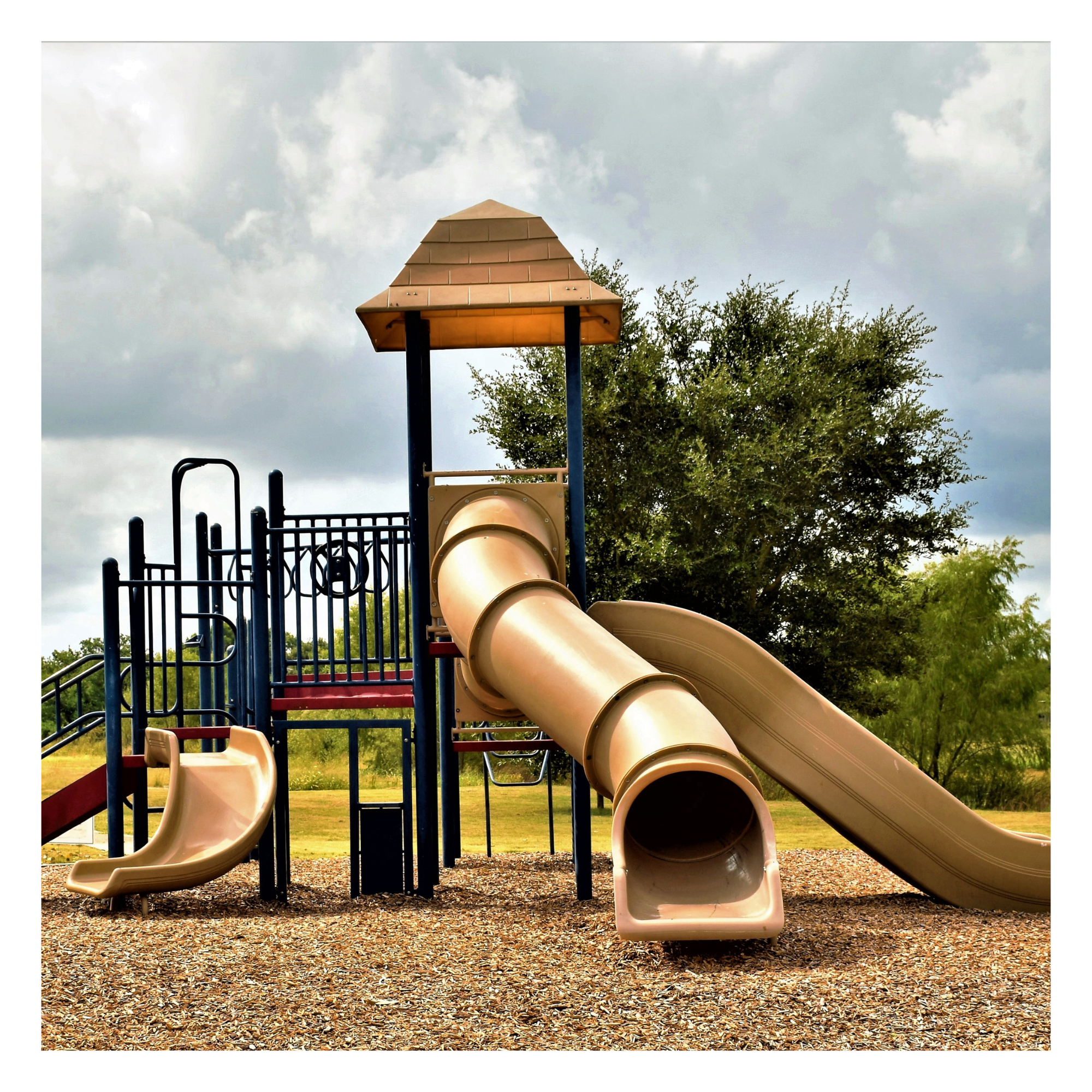
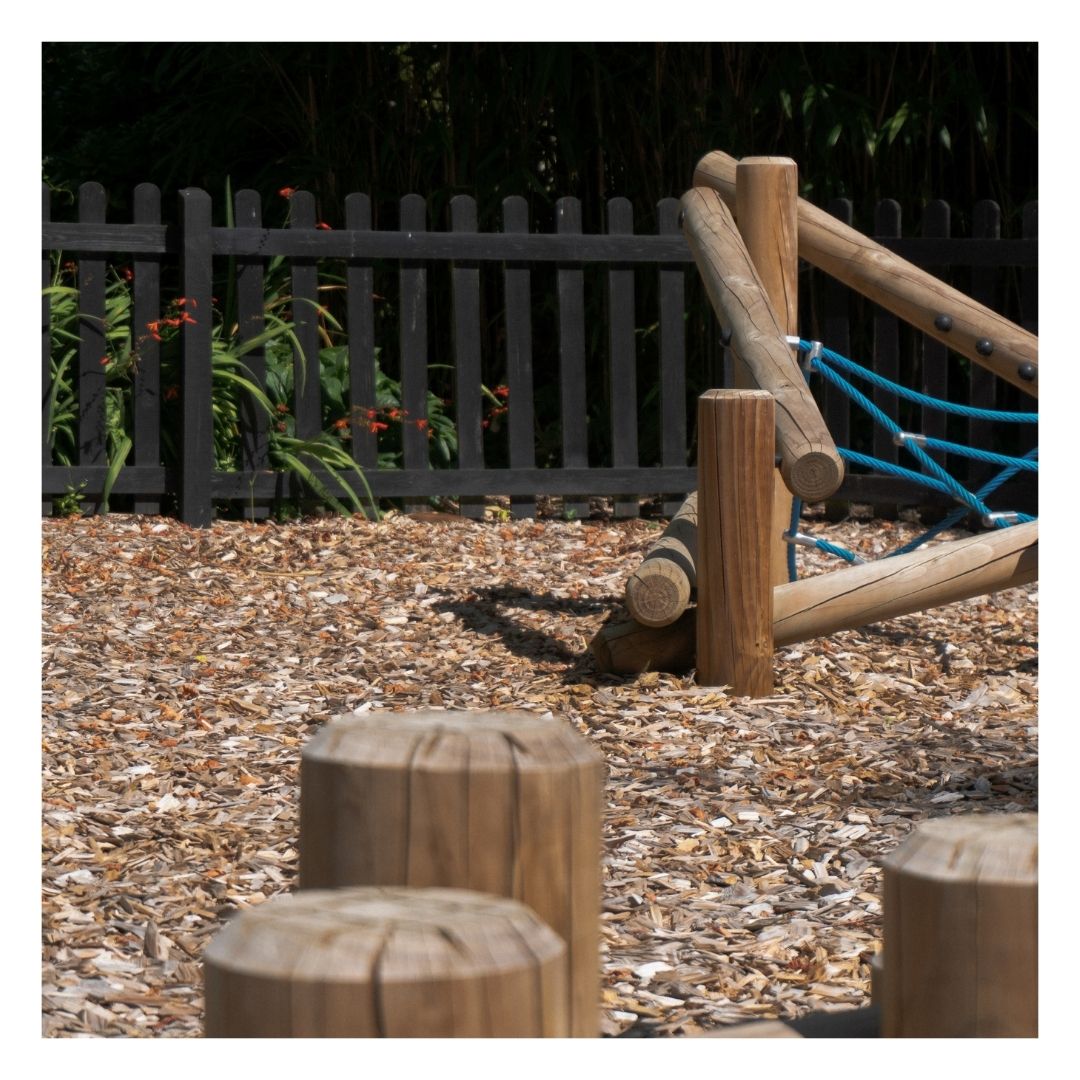
Play bark is one of the best surfaces for children's outdoor play areas. It's natural, cushioning, and looks beautiful in a garden setting. June is the perfect time to install it — the ground is firm, and children will get months of use from it over summer.
What is play bark used for?
Play bark (also called play chip or playground bark) is used as a safety surface beneath climbing frames, swings, and play equipment. It absorbs impact, reduces the risk of injury, and suppresses weeds naturally.
How deep should play bark be?
For safety purposes, play bark should be laid to a depth of at least 150mm (15cm) under and around play equipment. For decorative use in borders, 75–100mm is sufficient.
3. Refresh Garden Borders and Planting Beds
June is ideal for refreshing borders with new perennials, ornamental grasses, and summer bedding. Focus on:
- Filling gaps left by spring bulbs that have died back
- Adding structure with grasses and evergreen shrubs
- Introducing colour with hardy summer perennials like lavender, salvia, and echinacea
Eco tip: Choose native or pollinator-friendly plants to support local wildlife while beautifying your garden.
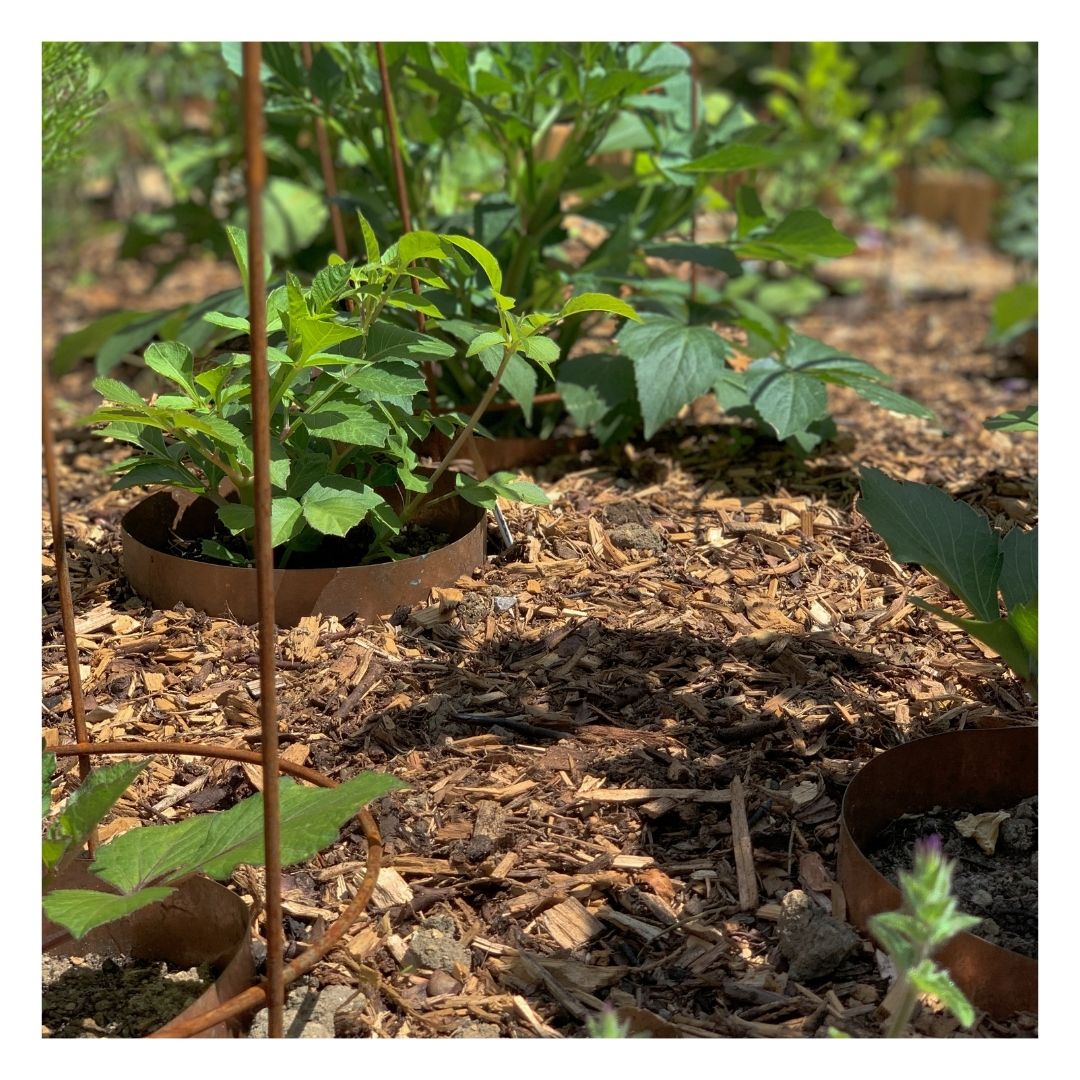
4. Add Mulch to Borders and Beds
Applying a layer of natural bark mulch to borders in June conserves moisture during the hotter months, suppresses weeds, and improves soil structure as it breaks down. Aim for a 50–75mm layer, keeping mulch away from plant stems.
5. Define Zones for Entertaining and Play
The best summer gardens have clear zones — a lawn area, a seating area, a play zone, and planting beds. If your garden feels cluttered or undefined, June is a great time to restructure it with:
- Edging to separate lawn from borders
- Bark or gravel paths between zones
- Raised beds to add height and interest
- Decking or paving for an entertaining area
Frequently Asked Questions
❀ Can I lay turf in June?
Yes — June is an excellent time to lay turf. The warm soil encourages fast rooting, though you'll need to water new turf consistently, especially during dry spells. Avoid laying turf during a heatwave or prolonged drought.
❀ How long does new turf take to root in summer?
In June and July, new turf typically takes 2–4 weeks to root fully. You can test this by gently tugging a corner — if there's resistance, the roots have established.
❀ What is the best bark for a children's play area?
Play bark (also called playground bark chip) is specifically graded for safety surfaces. It should be certified to BS EN 1177 for impact attenuation if used under play equipment. Decorative bark is not suitable as a play safety surface.
❀ How often should I water new turf in June?
Water new turf twice a day during dry weather — once in the morning and once in the evening. Avoid watering in the hottest part of the day. Continue this routine for 2–3 weeks until the turf has rooted.
❀ Is June a good time to plant in the garden?
June is a great time to plant most summer perennials, ornamental grasses, and shrubs. Avoid planting in extreme heat, and always water new plants in well. Tender plants like bedding are safe to plant out now that frost risk has passed.
❀How do I keep my garden eco-friendly when refreshing it?
Choose sustainably sourced materials — peat-free turf, FSC-certified timber, and natural bark products. Opt for native or pollinator-friendly plants, use rainwater where possible for watering, and avoid chemical weedkillers in favour of natural suppression methods like bark mulch.
Ready to Refresh Your Garden This June?
At Eco-Landscaping, we supply sustainably sourced turf, play bark, topsoil, and bark mulch to homeowners across [region]. Whether you're laying a new lawn, creating a safe play space for the kids, or completely transforming your outdoor space ahead of summer — we're here to help.
-
Shop Eco Play Surfaces
-
Relevant Ranges
-
Useful Articles
-
Helpful Information
Refreshing Your Garden in June: The Complete Guide to a Beautiful Summer Outdoor Space
Why June Is the Best Month to Refresh Your Garden?
June sits at the sweet spot of the gardening calendar. The risk of frost has passed, soil temperatures are ideal for turf to root, and you have the whole summer ahead to enjoy the results. Here's why June garden refreshes work so well:
- Turf establishes fast — warm soil means new lawns root in as little as 2–3 weeks
- Long daylight hours support rapid plant growth and recovery
- Dry weather windows make laying bark, turf, and hard landscaping easier
- You get the full summer to enjoy it — not just a few weeks
Where do I start?
1. Lay New Turf for an Instant Lawn Transformation
If your lawn is patchy, uneven, or beyond repair with feed and weed treatments, laying new turf is the fastest way to transform it. In June, freshly laid turf can establish in 2–4 weeks with regular watering.
Steps to refresh your lawn with new turf:
- Remove existing grass and weeds
- Rotavate and level the soil
- Add a layer of topsoil or lawn soil conditioner
- Lay turf in a brick-bond pattern, butting edges tightly
- Water thoroughly — twice daily in dry spells for the first two weeks
- Avoid heavy use until the turf has rooted
We created a handy after care guide for you here.
2. Create a Safe Play Area with Play Bark
Play bark is one of the best surfaces for children's outdoor play areas. It's natural, cushioning, and looks beautiful in a garden setting. June is the perfect time to install it — the ground is firm, and children will get months of use from it over summer.
What is play bark used for?
Play bark (also called play chip or playground bark) is used as a safety surface beneath climbing frames, swings, and play equipment. It absorbs impact, reduces the risk of injury, and suppresses weeds naturally.
How deep should play bark be?
For safety purposes, play bark should be laid to a depth of at least 150mm (15cm) under and around play equipment. For decorative use in borders, 75–100mm is sufficient.
3. Refresh Garden Borders and Planting Beds
June is ideal for refreshing borders with new perennials, ornamental grasses, and summer bedding. Focus on:
- Filling gaps left by spring bulbs that have died back
- Adding structure with grasses and evergreen shrubs
- Introducing colour with hardy summer perennials like lavender, salvia, and echinacea
Eco tip: Choose native or pollinator-friendly plants to support local wildlife while beautifying your garden.
4. Add Mulch to Borders and Beds
Applying a layer of natural bark mulch to borders in June conserves moisture during the hotter months, suppresses weeds, and improves soil structure as it breaks down. Aim for a 50–75mm layer, keeping mulch away from plant stems.
5. Define Zones for Entertaining and Play
The best summer gardens have clear zones — a lawn area, a seating area, a play zone, and planting beds. If your garden feels cluttered or undefined, June is a great time to restructure it with:
- Edging to separate lawn from borders
- Bark or gravel paths between zones
- Raised beds to add height and interest
- Decking or paving for an entertaining area
Frequently Asked Questions
❀ Can I lay turf in June?
Yes — June is an excellent time to lay turf. The warm soil encourages fast rooting, though you'll need to water new turf consistently, especially during dry spells. Avoid laying turf during a heatwave or prolonged drought.
❀ How long does new turf take to root in summer?
In June and July, new turf typically takes 2–4 weeks to root fully. You can test this by gently tugging a corner — if there's resistance, the roots have established.
❀ What is the best bark for a children's play area?
Play bark (also called playground bark chip) is specifically graded for safety surfaces. It should be certified to BS EN 1177 for impact attenuation if used under play equipment. Decorative bark is not suitable as a play safety surface.
❀ How often should I water new turf in June?
Water new turf twice a day during dry weather — once in the morning and once in the evening. Avoid watering in the hottest part of the day. Continue this routine for 2–3 weeks until the turf has rooted.
❀ Is June a good time to plant in the garden?
June is a great time to plant most summer perennials, ornamental grasses, and shrubs. Avoid planting in extreme heat, and always water new plants in well. Tender plants like bedding are safe to plant out now that frost risk has passed.
❀How do I keep my garden eco-friendly when refreshing it?
Choose sustainably sourced materials — peat-free turf, FSC-certified timber, and natural bark products. Opt for native or pollinator-friendly plants, use rainwater where possible for watering, and avoid chemical weedkillers in favour of natural suppression methods like bark mulch.
Ready to Refresh Your Garden This June?
At Eco-Landscaping, we supply sustainably sourced turf, play bark, topsoil, and bark mulch to homeowners across [region]. Whether you're laying a new lawn, creating a safe play space for the kids, or completely transforming your outdoor space ahead of summer — we're here to help.
Shop Eco Play Surfaces
-
Eco Bark & Mulch: Playground Chippings
Regular price £171.95 GBPRegular price -
 Sold out
Eco Bark Nuggets
Regular price £206.95 GBPRegular price


Related Articles
-

End of Summer Garden Tidy-Up: 8 Jobs to Do Befo...
Late August and September are the best time to start preparing your garden for autumn — tidying up summer growth, clearing spent plants, and getting ahead of jobs before the...
End of Summer Garden Tidy-Up: 8 Jobs to Do Befo...
Late August and September are the best time to start preparing your garden for autumn — tidying up summer growth, clearing spent plants, and getting ahead of jobs before the...
-

What to Do in the Garden in August
August is the garden's turning point. The main harvest is coming in, the borders are past their peak, and the soil is still warm — which makes it the single...
What to Do in the Garden in August
August is the garden's turning point. The main harvest is coming in, the borders are past their peak, and the soil is still warm — which makes it the single...
-

July Gardening Checklist: What to Plant, Prune,...
UK gardeners should sow fast-maturing vegetables and biennial flowers, deadhead roses and bedding plants weekly, water containers and new plantings deeply, harvest garlic, soft fruit and early potatoes.
July Gardening Checklist: What to Plant, Prune,...
UK gardeners should sow fast-maturing vegetables and biennial flowers, deadhead roses and bedding plants weekly, water containers and new plantings deeply, harvest garlic, soft fruit and early potatoes.
-

How to Protect Your Garden During a Heatwave in...
The British summer has changed. What once meant a few warm days followed by welcome drizzle now increasingly means prolonged dry spells, scorched lawns, and wilting plants.
How to Protect Your Garden During a Heatwave in...
The British summer has changed. What once meant a few warm days followed by welcome drizzle now increasingly means prolonged dry spells, scorched lawns, and wilting plants.


