
End of Summer Garden Tidy-Up: 8 Jobs to Do Before Autumn Arrives
Late August and September are the best time to start preparing your garden for autumn — tidying up summer growth, clearing spent plants, and getting ahead of jobs before the weather turns. A bit of work now saves a lot more later, and sets your garden up to come back stronger next year.
Here are eight jobs worth prioritising before autumn properly sets in.
Cut back spent perennials
Once flowers have finished and foliage starts to die back, cut perennials down to tidy the bed and reduce the chance of disease overwintering in dead growth. That said, it's worth leaving some seed heads (like echinacea or ornamental grasses) standing through winter — they provide food for birds and look good with frost on them.
Should I cut back perennials in September? Yes for anything that's finished flowering and is visibly dying back — but there's no need to rush all of it at once.
Deadhead and tidy summer bedding
Remove spent summer bedding plants once they're past their best, and deadhead anything still flowering to extend the display a few more weeks into September.
-
Shop Mulch & Bark
-
Relevant Ranges
-
Useful Articles
-
Helpful Information
Start reducing mowing frequency
As growth slows through September, you can start mowing less often — but don't stop altogether. When should I stop mowing as often? Once you notice growth visibly slowing, typically mid-to-late September in most of the UK, though this varies with weather.
Clear debris and fallen fruit
Windfall fruit, spent vegetable plants, and general summer debris left lying around attract pests and disease. Clearing beds now reduces problems heading into autumn and winter.
Weed while the ground is still workable
Weeds are far easier to remove now, while the soil is workable and weeds haven't had a chance to set seed for next year. Left until spring, this job is considerably harder.
Check and clean garden structures
Fences, trellises, sheds and greenhouses take a beating over summer. Late August is a good time to check for repairs, clean greenhouse glass to maximise autumn light, and treat any woodwork before wetter weather arrives.
Mulch beds and borders
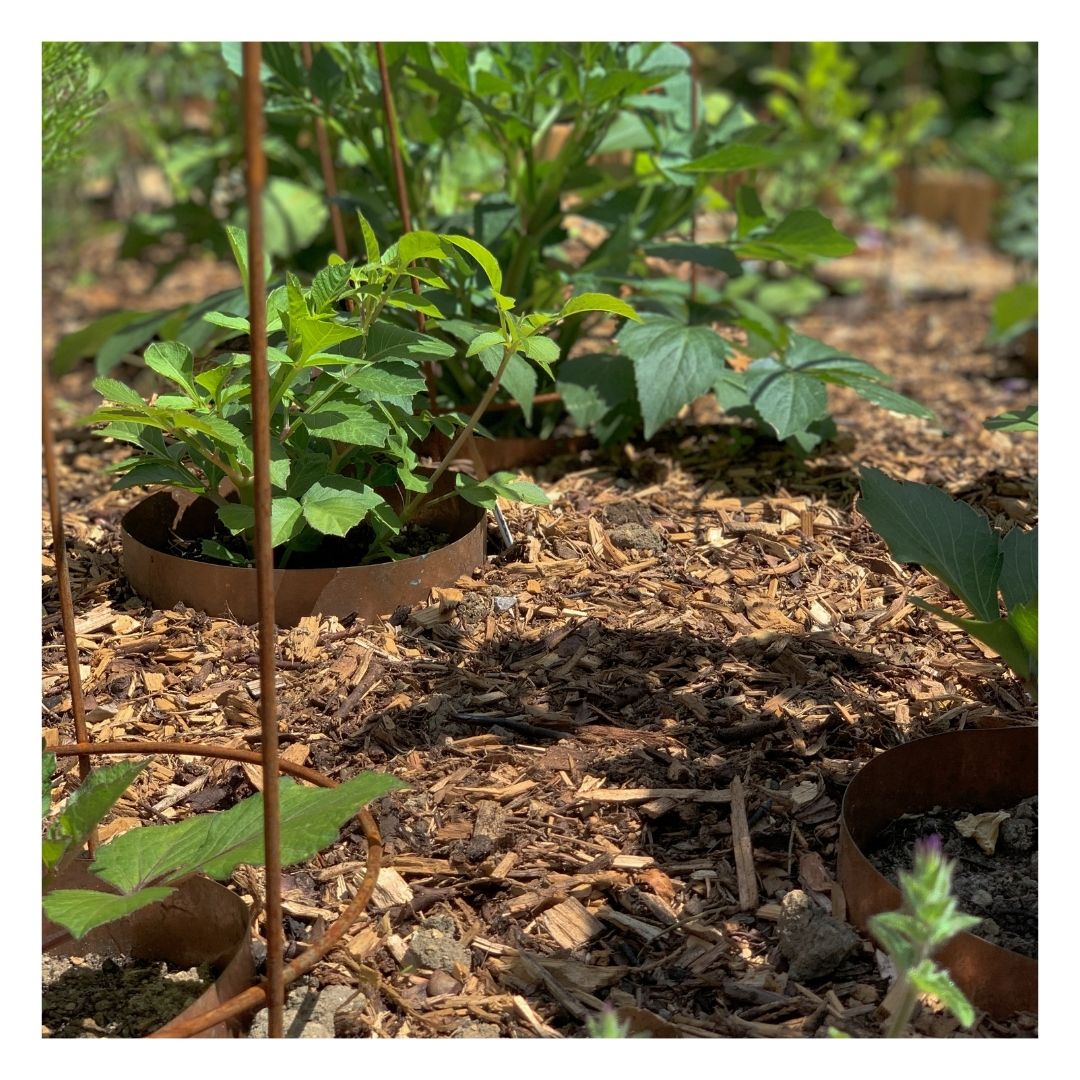
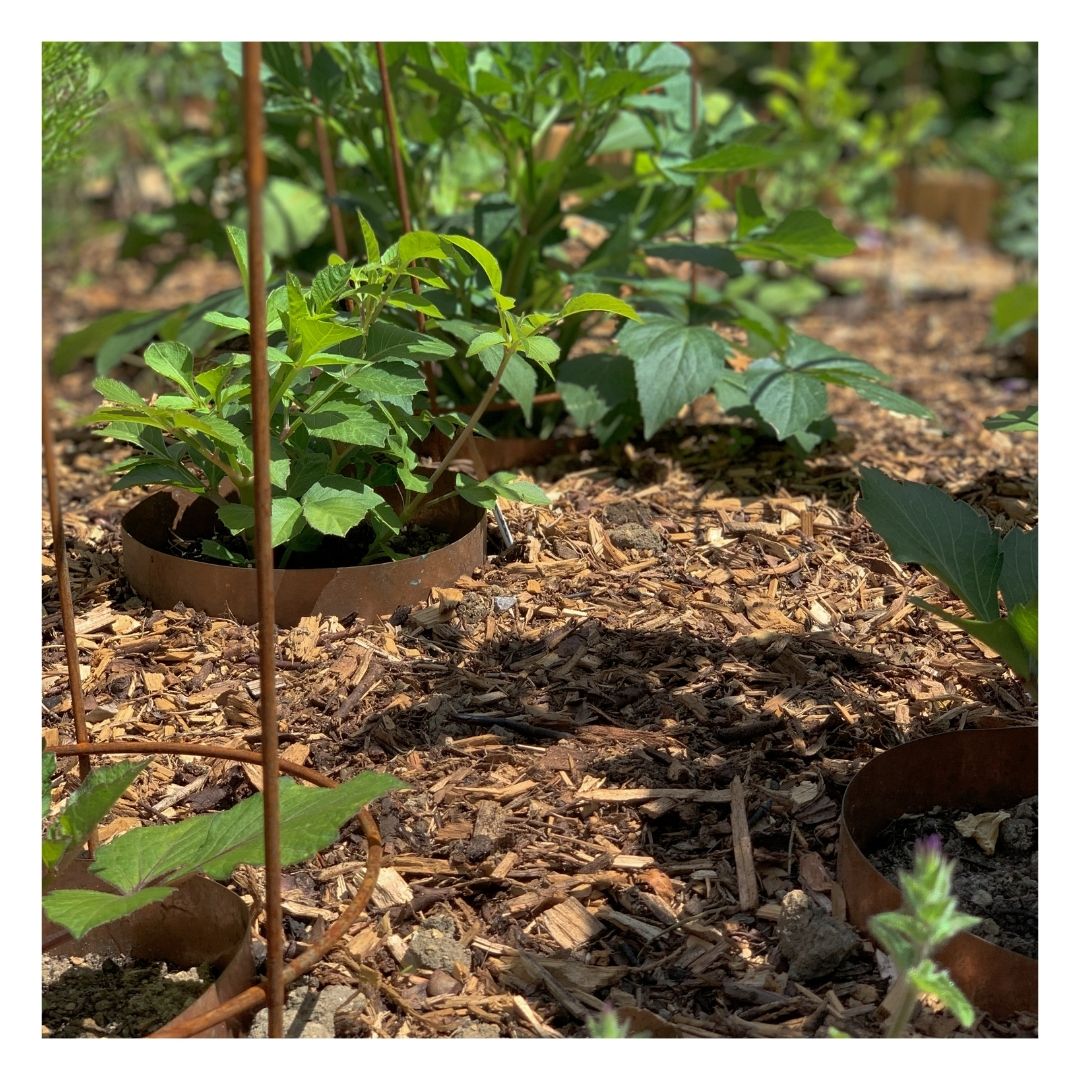
Once you've cut back, weeded and tidied a bed, apply a layer of mulch — well-rotted compost, bark, or leaf mould — around 5–7cm deep. This is one of the most valuable jobs on this list and does several things at once:
- Suppresses weeds through autumn and into next spring
- Locks in soil moisture as rainfall becomes less predictable
- Insulates plant roots against the first frosts
- Slowly improves soil structure as it breaks down over winter
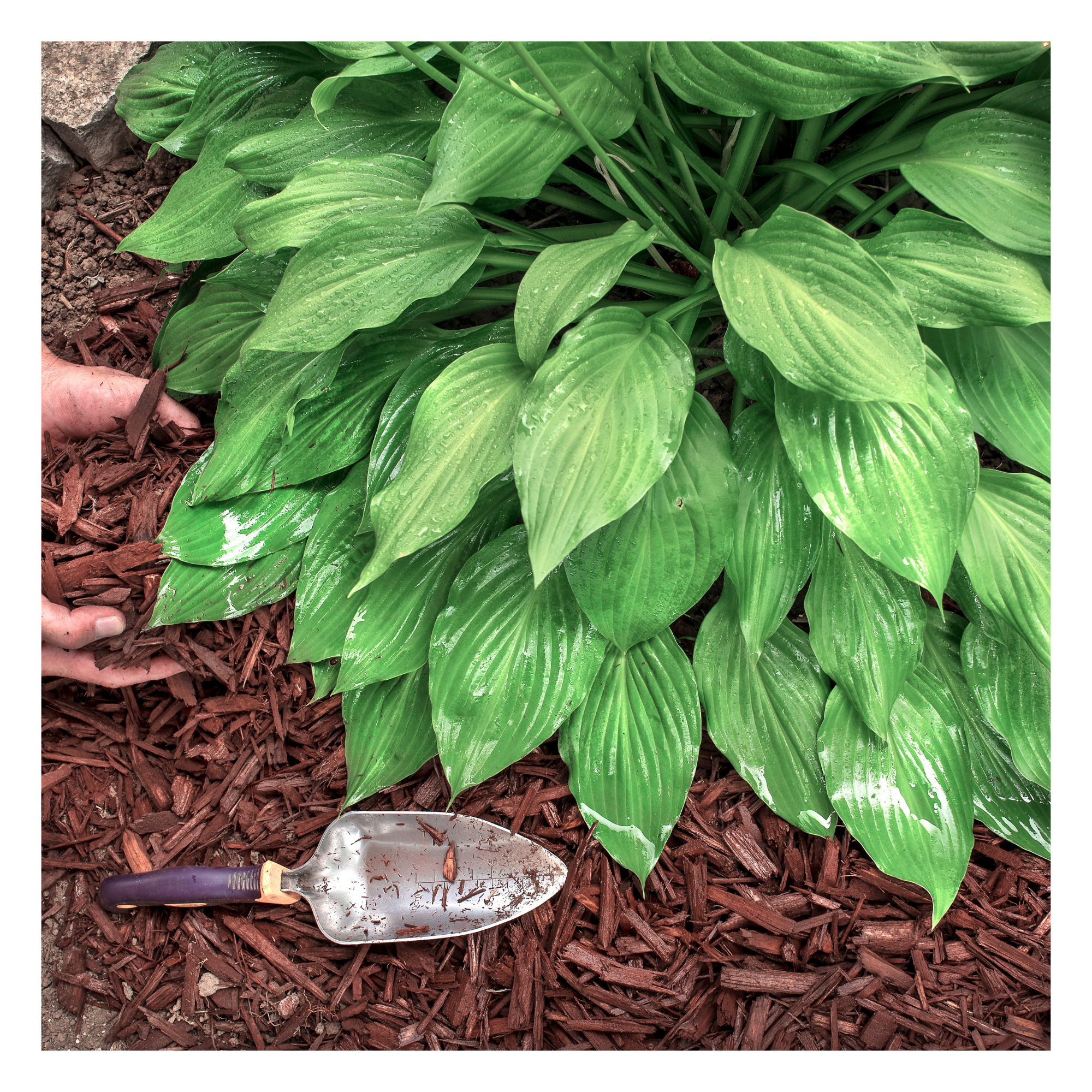
When should I mulch my garden? Early-to-mid autumn is ideal — after beds have been weeded and cut back, but before the first hard frosts. Avoid mulching right up against stems or trunks, as this can encourage rot; leave a small gap around the base of each plant.
What should I use to mulch? Garden compost is good for improving soil as it breaks down. Bark or wood chip lasts longer and is better suited to borders you won't be digging into again soon. Leaf mould (made from last year's fallen leaves) is a free, effective option if you have it.
Start thinking about leaves — but don't panic yet
Is it too early to rake leaves? In most cases, yes — late August and early September is generally too early for significant leaf fall in the UK. It's worth keeping an eye on it, but don't add this to your list until leaves are actually dropping in meaningful numbers, usually from October.
Frequently Asked Questions
When should I start preparing my garden for autumn? Late August through September is ideal — early enough to get ahead of jobs, while there's still good weather to work in.
Should I cut back perennials in September? Yes, for anything that has finished flowering and is dying back, though some seed heads are worth leaving for wildlife and winter interest.
When should I stop mowing as often? Typically mid-to-late September in most of the UK, once growth visibly slows — though this depends on that year's weather.
Is it too early to rake leaves in September? Generally yes. Most significant leaf fall happens from October onwards in the UK.
When should I mulch my garden in autumn? Early-to-mid autumn, after beds have been weeded and cut back but before the first hard frosts, is the ideal window.
What's the best mulch for autumn? Well-rotted compost or manure is great for improving soil, bark or wood chip lasts longer for borders, and leaf mould is a free, effective option if you have it.
Shop Eco Mulch & Bark
-
Eco Woodland Garden Mulch
Regular price £146.95 GBPRegular price -
Eco Paths: Woodland Mulch
Regular price £146.95 GBPRegular price -
Eco Mulch: Soil Improving Mulch
Regular price £131.95 GBPRegular price -
Eco Bark & Mulch: Playground Chippings
Regular price £171.95 GBPRegular price


Related Articles
-

End of Summer Garden Tidy-Up: 8 Jobs to Do Befo...
Late August and September are the best time to start preparing your garden for autumn — tidying up summer growth, clearing spent plants, and getting ahead of jobs before the...
End of Summer Garden Tidy-Up: 8 Jobs to Do Befo...
Late August and September are the best time to start preparing your garden for autumn — tidying up summer growth, clearing spent plants, and getting ahead of jobs before the...
-

What to Do in the Garden in August
August is the garden's turning point. The main harvest is coming in, the borders are past their peak, and the soil is still warm — which makes it the single...
What to Do in the Garden in August
August is the garden's turning point. The main harvest is coming in, the borders are past their peak, and the soil is still warm — which makes it the single...
-

July Gardening Checklist: What to Plant, Prune,...
UK gardeners should sow fast-maturing vegetables and biennial flowers, deadhead roses and bedding plants weekly, water containers and new plantings deeply, harvest garlic, soft fruit and early potatoes.
July Gardening Checklist: What to Plant, Prune,...
UK gardeners should sow fast-maturing vegetables and biennial flowers, deadhead roses and bedding plants weekly, water containers and new plantings deeply, harvest garlic, soft fruit and early potatoes.
-

How to Protect Your Garden During a Heatwave in...
The British summer has changed. What once meant a few warm days followed by welcome drizzle now increasingly means prolonged dry spells, scorched lawns, and wilting plants.
How to Protect Your Garden During a Heatwave in...
The British summer has changed. What once meant a few warm days followed by welcome drizzle now increasingly means prolonged dry spells, scorched lawns, and wilting plants.


