
How to Protect Your Garden During a Heatwave in the UK
The British summer has changed. What once meant a few warm days followed by welcome drizzle now increasingly means prolonged dry spells, scorched lawns, and wilting plants. With temperatures nudging 40°C in recent years, knowing how to protect your garden during a heatwave isn't just handy — it's becoming essential.
The good news? A few smart steps taken at the right time can make a huge difference. Whether you're worried about your hanging baskets, your vegetable patch, or that hydrangea you've lovingly tended for years, this guide covers everything you need to keep your garden going through the heat.
Why UK gardens struggle in a heatwave
Unlike gardens in Mediterranean or subtropical climates, most UK gardens simply aren't built for extreme heat. Our native plants evolved for mild, damp conditions. Our soils — whether clay-heavy in the Midlands or sandy in the south-east — can dry out, crack, or harden surprisingly quickly when temperatures stay high for several days.
Clay soils, which are common across much of England, shrink and crack when dry, cutting off water to plant roots just when they need it most. Sandy soils drain fast and hold almost no moisture. Neither is ideal in a prolonged hot spell without a bit of human intervention.
Add to that the fact that most British gardeners water their plants reactively (when they already look stressed) rather than proactively, and it's easy to see why heatwaves can do real damage. Using a topsoil with added compost in it, like our Eco Supersoil can improve your odds at your plants surviving the heat.
When should you start protecting your garden?
Start before the heat peaks — ideally two to three days before a heatwave is forecast. The Met Office usually issues heat-health alerts when temperatures are expected to exceed 25°C for two or more consecutive days, which is a good prompt to act.
Don't wait until plants are wilting. By then, they're already stressed. A few hours of preparation — laying mulch, moving pots, checking your watering routine — can dramatically reduce the damage.
Here's a quick checklist of what to do before a heatwave hits:
- Water deeply the evening before
- Apply mulch to all borders and beds
- Move containers and hanging baskets to shadier spots
- Set up any shade structures over vulnerable plants
- Check your watering can, hose, or irrigation system is ready
How to water your garden during a heatwave
Watering is the single most important thing you can do — but doing it wrong can actually make things worse. Here's how to get it right.
When to water plants in hot weather
Always water early in the morning (before 10am) or in the evening (after 6pm). Watering in the heat of the day means most of the moisture evaporates before plants can absorb it. Wet leaves in direct sunlight can also scorch, so keep water at soil level where possible.
Morning watering is generally preferred because it gives roots time to absorb water before the day heats up, and leaves dry off before nightfall (reducing disease risk). Evening watering is a perfectly good second option — just avoid splashing foliage.
How much water do plants need in a heatwave?
The key is to water deeply and less frequently, rather than giving a little every day. A deep soak encourages roots to grow downward in search of moisture, making plants more resilient long-term.
As a rough guide:
- Established shrubs and perennials: a thorough soak every two to three days
- Vegetables and annual flowers: daily watering during peak heat
- Newly planted trees or shrubs: slow, deep watering every one to two days
- Containers and hanging baskets: once or twice a day depending on size and position
To check whether soil actually needs water, push your finger 5–10cm into the soil. If it's still damp, hold off. If it's dry, it's time.
Best watering methods to reduce evaporation
A watering can or hose aimed directly at the base of plants is more effective than sprinklers, which lose a lot of water to evaporation. If you have a larger garden, soaker hoses or drip irrigation systems laid along the soil surface are excellent — they deliver water slowly and directly to roots.
One important note for UK gardeners: during severe droughts, many water companies introduce hosepipe bans. Keep an eye on announcements from your local supplier. Watering cans are always permitted, so it's worth having a few to hand. Collecting rainwater in butts before a heatwave is also a great habit to get into.
How to use mulch to protect your garden from heat
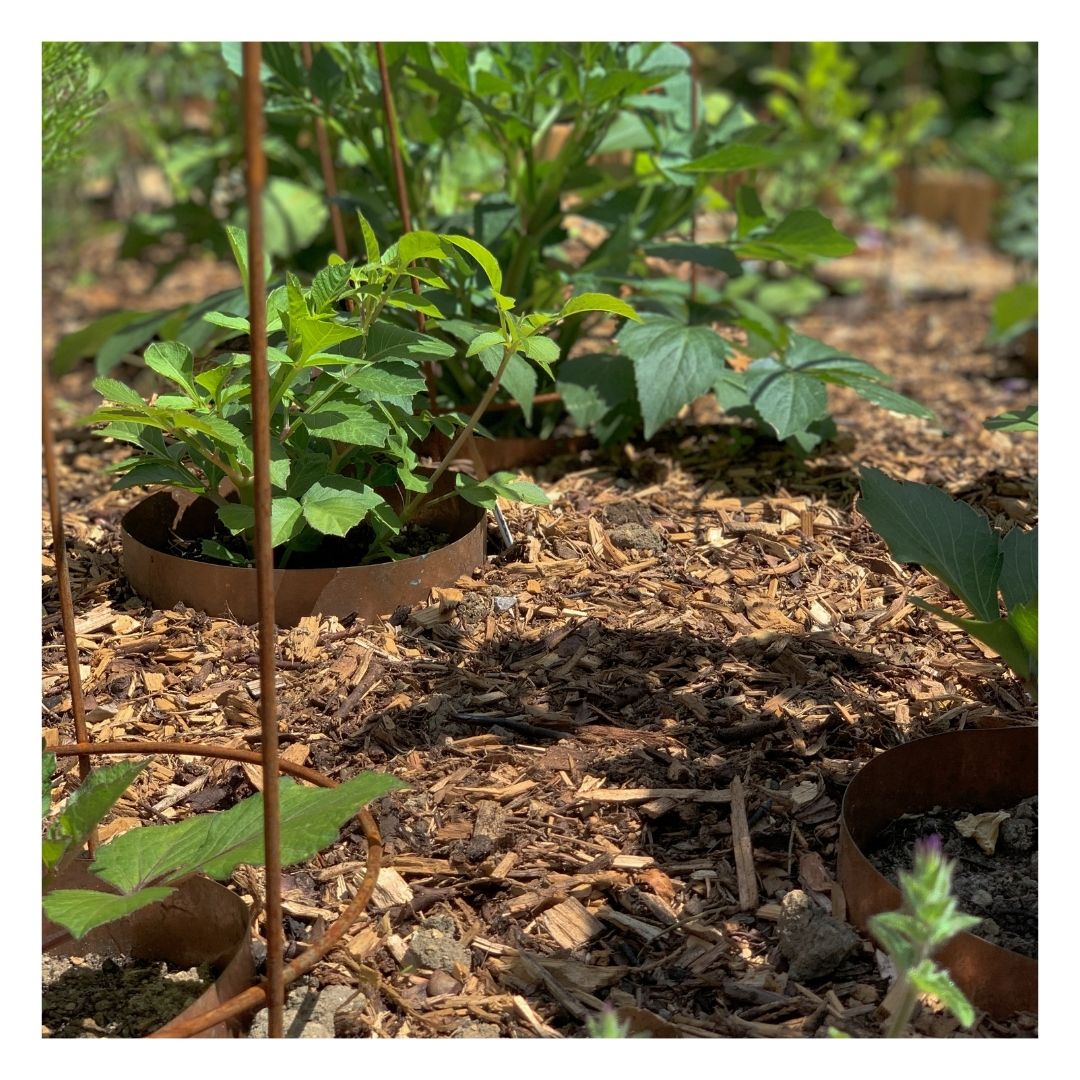
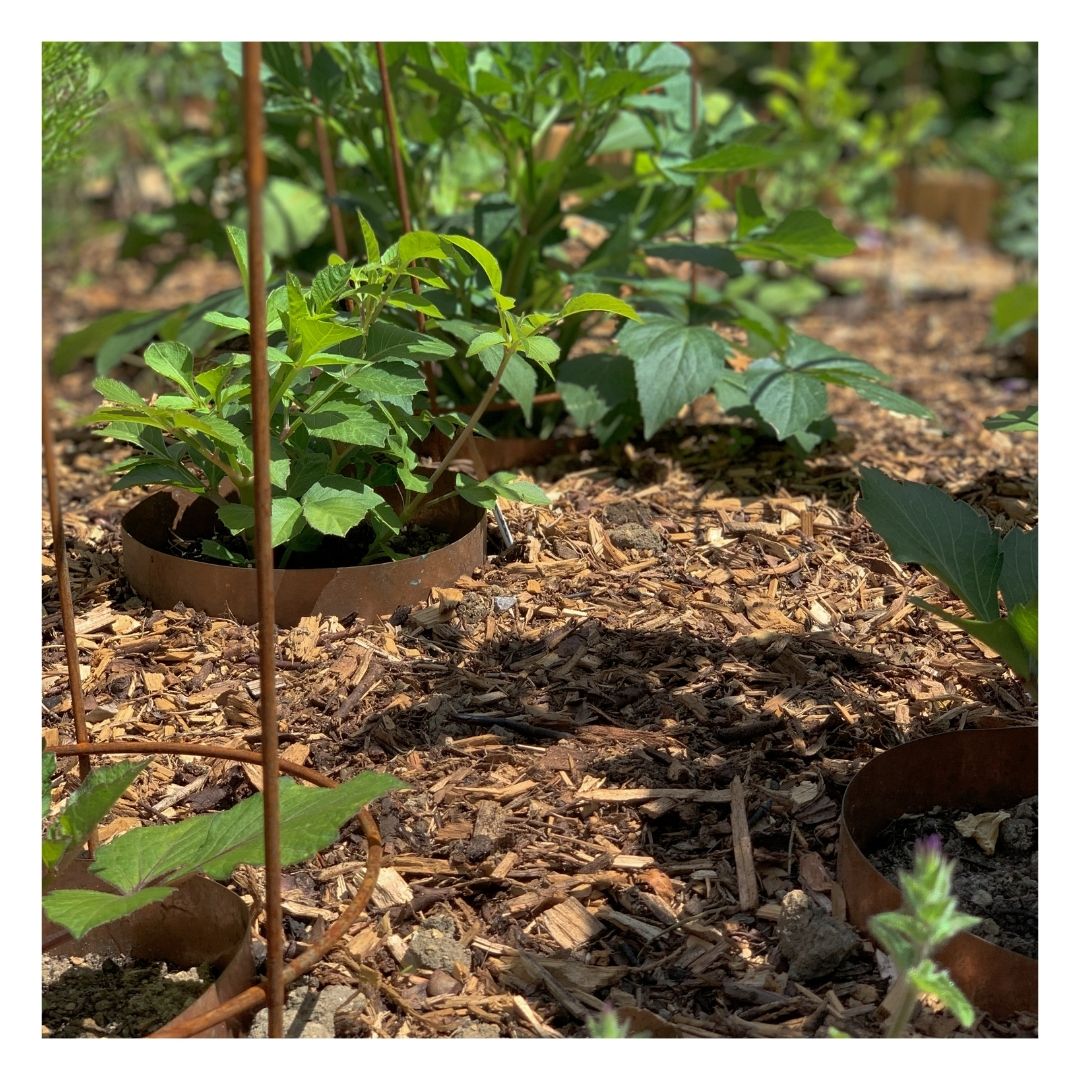
If there's one thing experienced gardeners swear by during a heatwave, it's mulch. A layer of mulch on the soil surface does three brilliant things: it locks in moisture, insulates roots from the heat, and suppresses weeds that would otherwise compete for water.
Good mulch options for UK gardens include:
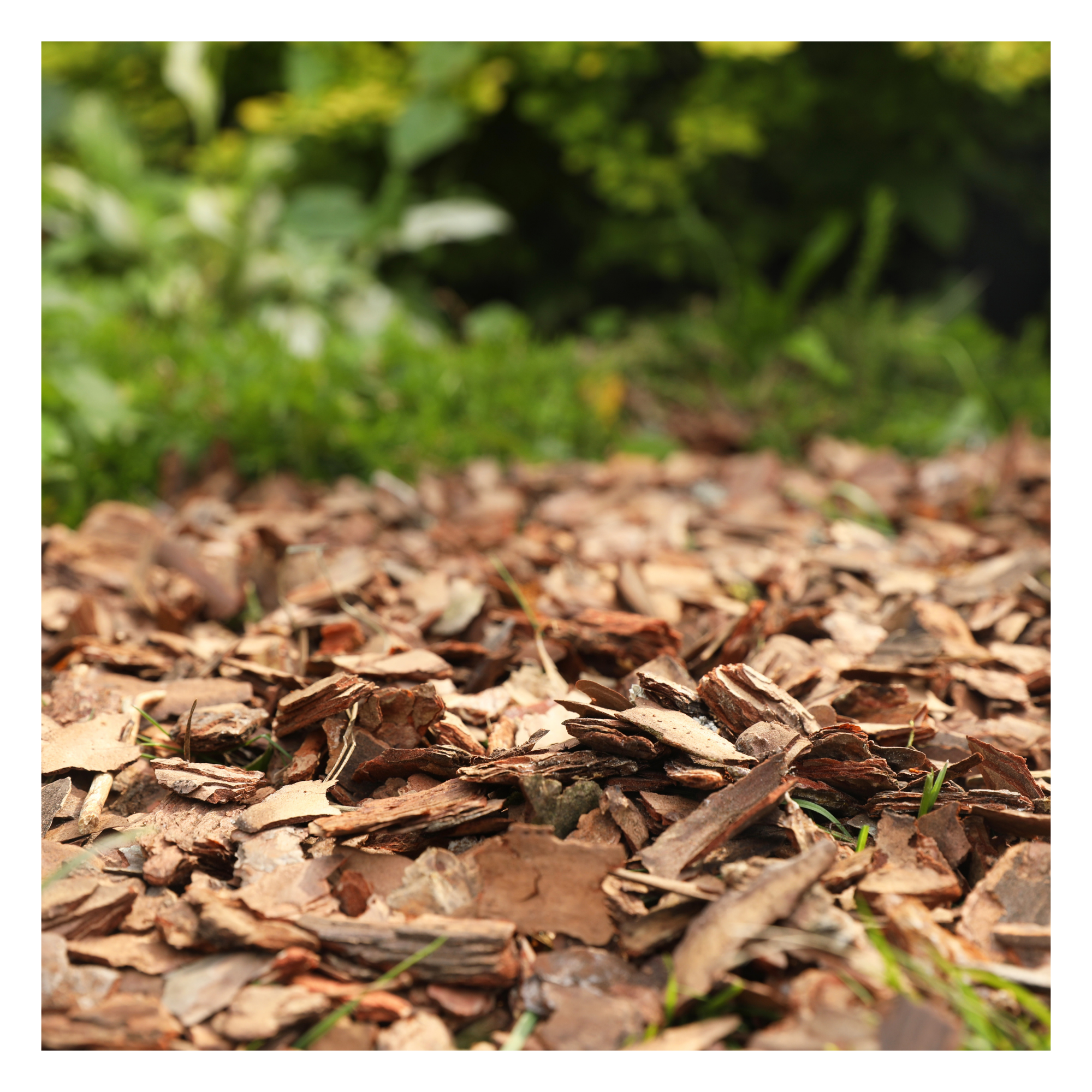
- Bark chippings: widely available, long-lasting, and attractive in borders
- Garden compost: brilliant for feeding the soil at the same time
- Straw: great for vegetable beds, especially around strawberries and courgettes
- Gravel or stone: suits Mediterranean-style planting and drains well
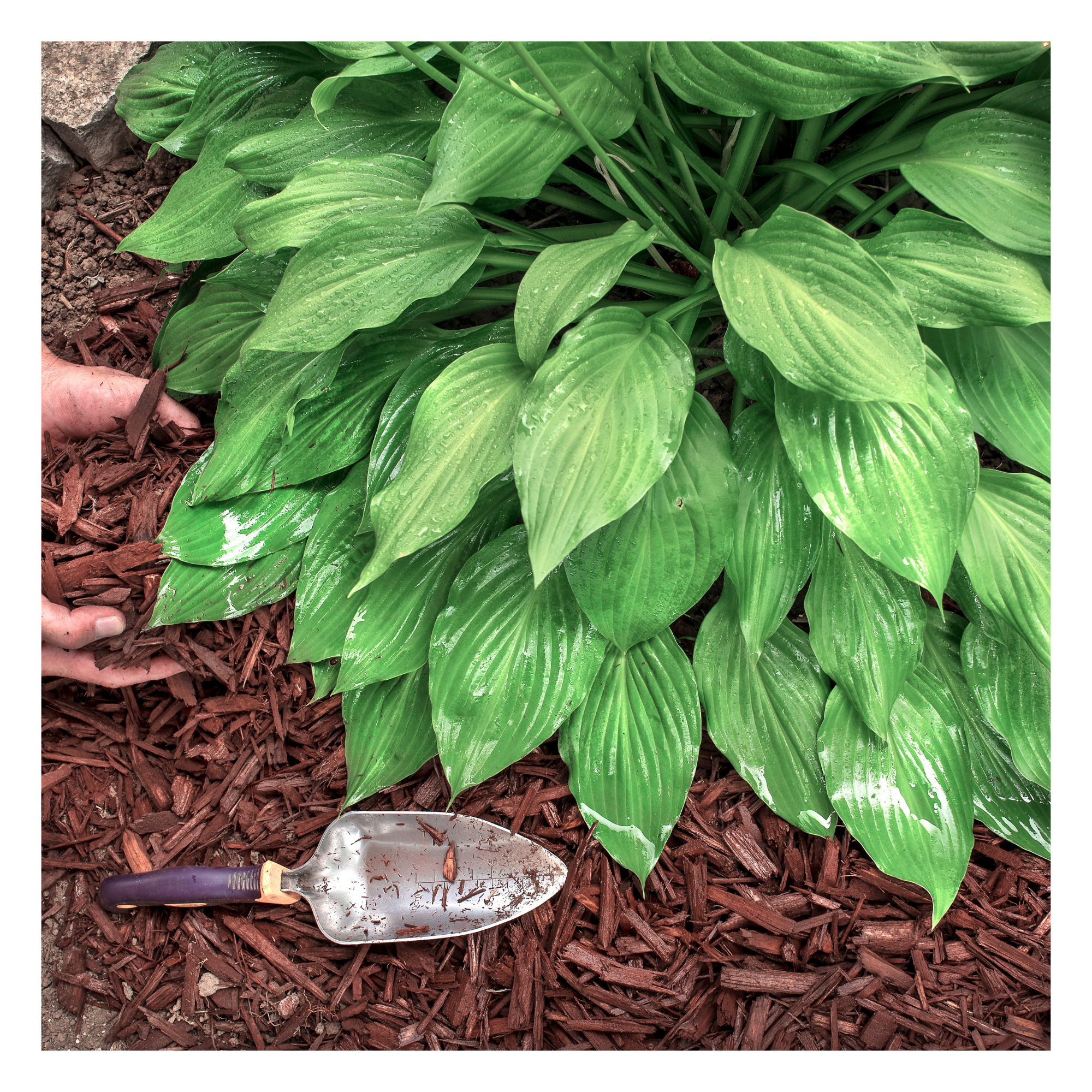
Apply mulch to a depth of about 5–8cm, keeping it a few centimetres away from plant stems to prevent rot. Ideally, mulch before a heatwave arrives (while the soil is still moist), but it's worth doing at any point during dry weather — better late than never.
Read more about the benefits of soil improving mulch here.
How to shade vulnerable plants
Which plants need shade during a heatwave?
Not all plants struggle in the sun — but some really do. Plants that need extra shade protection during hot spells include:
- Leafy salad crops (lettuce, spinach, rocket) — they bolt and turn bitter in heat
- Seedlings and young plants — they haven't developed deep enough roots yet
- Woodland plants like hostas, ferns, and astilbes
- Newly planted shrubs and hedging
- Hydrangeas, which wilt dramatically in full sun
South-facing beds and spots near reflective walls or fences can get particularly fierce — keep a close eye on anything planted there.
DIY shading on a budget
You don't need expensive equipment. Here are some practical options:
- Shade cloth (30–50% density): available from garden centres or online, can be draped over hoops or frames
- Garden fleece: usually used for frost protection, but works well as a light shade screen when draped loosely
- A garden parasol or beach umbrella repositioned over a vulnerable plant
- Old net curtains or muslin stretched between canes
Even a few hours of afternoon shade can make a real difference to struggling plants.
Using natural shade
Think creatively about your garden's existing structure. Tall sunflowers or climbing beans on a wigwam can cast useful shade on lower-growing neighbours. A fence or wall that creates afternoon shade can become an asset. And grouping plants together (especially in pots) creates a slightly cooler, more humid microclimate.
How to protect your lawn in a heatwave
A brown lawn after a heatwave looks alarming, but the honest truth is: grass is remarkably resilient. Most UK lawns go dormant in dry heat and turn brown — this is a survival mechanism, not death. Once rain returns, they typically bounce back within a few weeks.
That said, here's how to minimise the damage:
- Raise your mower height: cutting grass shorter during a heatwave stresses it further. Leave it longer to provide natural shade to the roots.
- Don't walk on it: foot traffic on dry, scorched grass damages the blades and compacts the soil.
- Don't fertilise: applying lawn feed during a heatwave can burn the grass. Wait until cooler, wetter conditions return.
- Water sparingly if at all: unless you have a sprinkler system and water to spare, most gardeners are better off letting the lawn go dormant rather than trying to keep it green with inadequate watering.
Is your lawn dead or just dormant? If the grass has gone brown but the soil beneath isn't rock-hard and compacted, it's almost certainly just dormant. Give it a few good soaks once the heat breaks and you'll likely see green shoots within a week.
Protecting container plants and hanging baskets
Pots and baskets are the most vulnerable plants in any garden during a heatwave — and the most often neglected. Because they have a limited volume of compost, they dry out far faster than plants in the ground.
During a heatwave:
- Move them: if possible, shift containers to a north or east-facing spot that gets morning sun but afternoon shade. That one change can halve how often you need to water.
- Group them together: clustered pots create shade for each other and raise local humidity slightly.
- Water daily (possibly twice daily): check pots morning and evening by pressing your finger into the compost. Terracotta pots dry out faster than plastic ones.
- Stand them in saucers: a saucer filled with water gives roots something to draw from during the hottest part of the day.
- Consider self-watering containers: these have a built-in reservoir and are a worthwhile investment if you struggle to keep up with watering.
Hanging baskets are the trickiest of all — they're exposed to sun and wind from all sides. During a heatwave, it's perfectly acceptable to take them down and stand them in a shaded, sheltered spot until conditions cool.
Plants that survive UK heatwaves (and what to avoid)
Drought-tolerant plants for UK gardens
If you want a garden that copes better with hot summers in the long term, consider incorporating more heat-tolerant plants. These do well in UK conditions even during dry spells:
- Lavender: thrives in poor, dry soil and full sun
- Sedum (stonecrop): succulent leaves store water naturally
- Agapanthus: loves heat, produces stunning blue or white flowers
- Ornamental grasses (e.g., Stipa, Festuca): drought-tolerant and low maintenance
- Verbena bonariensis: tall, airy, and very happy in dry conditions
- Echinacea (coneflower): tough, attractive, and pollinator-friendly
- Salvia: Mediterranean in origin and wonderfully heat-resilient
- Cistus (rock rose): perfect for a sunny, dry border
Vegetables that cope well with heat
Some veg actually enjoy warm summers. Tomatoes, courgettes, French beans, sweetcorn, and basil all thrive in heat — just make sure they're well-watered and you'll often get better harvests in a hot year than a cool, wet one.
Plants most at risk
Extra care is needed for hydrangeas, lettuce, pak choi, ferns, newly planted trees and shrubs, and any plants in small pots. These need prioritising when water is limited.
After the heatwave: reviving your garden!
Once temperatures drop, it's time to assess the damage and help your garden recover.
How to tell if a plant is dead or just stressed? Scratch a small section of stem with your fingernail — if there's green underneath, the plant is alive. If it's brown and dry all the way through, it may not recover. Don't give up too quickly though; some plants that look completely dead will push new growth from the base weeks later.
What to do straight after a heatwave:
- Resume normal watering gradually — don't flood dry soil all at once, as this can cause stress to roots.
2. Wait a week or two before feeding: let plants settle before introducing fertiliser.
3. Clear dead foliage: tidy up dead leaves, but leave stems on perennials in case they reshoot.
4. Reseed bare patches in the lawn once moisture returns and temperatures drop below 20°C.
5. Compost or bin any plants that have truly died, and use the space to plant something more drought-tolerant next time.
Protecting your garden during a UK heatwave doesn't require a complete redesign or expensive equipment. The four things that make the biggest difference are simple: water at the right time of day, lay down mulch to lock in moisture, give vulnerable plants a bit of shade, and move your containers out of the full sun.
Act before the heat peaks, keep a close eye on newly planted things and containers, and don't panic if your lawn goes brown — it almost certainly isn't dead.
With a bit of forward planning, your garden can come through even a serious heatwave looking better than you'd expect. And the experience might even inspire you to add a few more drought-tolerant plants for next summer.
Happy gardening — and fingers crossed for some decent rain.
Frequently Asked Questions
Should I water my garden every day in a heatwave?
It depends on what you're growing. Vegetables, containers, and hanging baskets usually need daily watering during a heatwave. Established shrubs and perennials in the ground can often manage with a deep soak every two to three days. The key is to water thoroughly rather than little and often.
What temperature is too hot for UK garden plants?
Most UK garden plants start to show stress above 25–28°C, particularly if combined with low rainfall. Above 35°C, many plants will wilt even with adequate water, as they struggle to cool themselves through their leaves. Newly planted and container plants are most vulnerable at these temperatures.
How do I stop my garden from drying out in summer?
The most effective long-term strategies are mulching borders and beds (to lock in moisture), improving your soil with compost (to increase water retention), and choosing drought-tolerant plants suited to your conditions. In the short term, watering deeply and at the right time of day makes the biggest difference.
Is it OK to water plants in the evening during a heatwave?
Yes — evening watering is perfectly fine during a heatwave and is often more practical than morning watering. The main things to avoid are watering in full midday sun and getting water on leaves in the evening if possible. Aim water at the base of plants rather than overhead.
How do I protect newly planted trees and shrubs from heat?
Newly planted trees and shrubs need the most attention during a heatwave because their roots haven't established yet. Water them deeply every one to two days, apply a generous ring of mulch around the base (keeping it away from the trunk), and consider rigging up temporary shade if the plant is in a very exposed position.
Will my brown lawn recover after a heatwave?
Almost certainly yes. UK lawns go dormant and turn brown during dry heat — it looks dramatic but it's a natural survival response. Once rain returns (or you give it a thorough soaking once temperatures drop), most lawns will recover within a couple of weeks. If it doesn't green up after several soaks, then some reseeding may be needed.
-

Shop Mulch & Bark
-
Relevant Ranges
-
Useful Articles
-
Helpful Information
How to Protect Your Garden During a Heatwave in the UK
The British summer has changed. What once meant a few warm days followed by welcome drizzle now increasingly means prolonged dry spells, scorched lawns, and wilting plants. With temperatures nudging 40°C in recent years, knowing how to protect your garden during a heatwave isn't just handy — it's becoming essential.
The good news? A few smart steps taken at the right time can make a huge difference. Whether you're worried about your hanging baskets, your vegetable patch, or that hydrangea you've lovingly tended for years, this guide covers everything you need to keep your garden going through the heat.
Why UK gardens struggle in a heatwave
Unlike gardens in Mediterranean or subtropical climates, most UK gardens simply aren't built for extreme heat. Our native plants evolved for mild, damp conditions. Our soils — whether clay-heavy in the Midlands or sandy in the south-east — can dry out, crack, or harden surprisingly quickly when temperatures stay high for several days.
Clay soils, which are common across much of England, shrink and crack when dry, cutting off water to plant roots just when they need it most. Sandy soils drain fast and hold almost no moisture. Neither is ideal in a prolonged hot spell without a bit of human intervention.
Add to that the fact that most British gardeners water their plants reactively (when they already look stressed) rather than proactively, and it's easy to see why heatwaves can do real damage. Using a topsoil with added compost in it, like our Eco Supersoil can improve your odds at your plants surviving the heat.
When should you start protecting your garden?
Start before the heat peaks — ideally two to three days before a heatwave is forecast. The Met Office usually issues heat-health alerts when temperatures are expected to exceed 25°C for two or more consecutive days, which is a good prompt to act.
Don't wait until plants are wilting. By then, they're already stressed. A few hours of preparation — laying mulch, moving pots, checking your watering routine — can dramatically reduce the damage.
Here's a quick checklist of what to do before a heatwave hits:
- Water deeply the evening before
- Apply mulch to all borders and beds
- Move containers and hanging baskets to shadier spots
- Set up any shade structures over vulnerable plants
- Check your watering can, hose, or irrigation system is ready
How to water your garden during a heatwave
Watering is the single most important thing you can do — but doing it wrong can actually make things worse. Here's how to get it right.
When to water plants in hot weather
Always water early in the morning (before 10am) or in the evening (after 6pm). Watering in the heat of the day means most of the moisture evaporates before plants can absorb it. Wet leaves in direct sunlight can also scorch, so keep water at soil level where possible.
Morning watering is generally preferred because it gives roots time to absorb water before the day heats up, and leaves dry off before nightfall (reducing disease risk). Evening watering is a perfectly good second option — just avoid splashing foliage.
How much water do plants need in a heatwave?
The key is to water deeply and less frequently, rather than giving a little every day. A deep soak encourages roots to grow downward in search of moisture, making plants more resilient long-term.
As a rough guide:
- Established shrubs and perennials: a thorough soak every two to three days
- Vegetables and annual flowers: daily watering during peak heat
- Newly planted trees or shrubs: slow, deep watering every one to two days
- Containers and hanging baskets: once or twice a day depending on size and position
To check whether soil actually needs water, push your finger 5–10cm into the soil. If it's still damp, hold off. If it's dry, it's time.
Best watering methods to reduce evaporation
A watering can or hose aimed directly at the base of plants is more effective than sprinklers, which lose a lot of water to evaporation. If you have a larger garden, soaker hoses or drip irrigation systems laid along the soil surface are excellent — they deliver water slowly and directly to roots.
One important note for UK gardeners: during severe droughts, many water companies introduce hosepipe bans. Keep an eye on announcements from your local supplier. Watering cans are always permitted, so it's worth having a few to hand. Collecting rainwater in butts before a heatwave is also a great habit to get into.
How to use mulch to protect your garden from heat
If there's one thing experienced gardeners swear by during a heatwave, it's mulch. A layer of mulch on the soil surface does three brilliant things: it locks in moisture, insulates roots from the heat, and suppresses weeds that would otherwise compete for water.
Good mulch options for UK gardens include:
- Bark chippings: widely available, long-lasting, and attractive in borders
- Garden compost: brilliant for feeding the soil at the same time
- Straw: great for vegetable beds, especially around strawberries and courgettes
- Gravel or stone: suits Mediterranean-style planting and drains well
Apply mulch to a depth of about 5–8cm, keeping it a few centimetres away from plant stems to prevent rot. Ideally, mulch before a heatwave arrives (while the soil is still moist), but it's worth doing at any point during dry weather — better late than never.
Read more about the benefits of soil improving mulch here.
How to shade vulnerable plants
Which plants need shade during a heatwave?
Not all plants struggle in the sun — but some really do. Plants that need extra shade protection during hot spells include:
- Leafy salad crops (lettuce, spinach, rocket) — they bolt and turn bitter in heat
- Seedlings and young plants — they haven't developed deep enough roots yet
- Woodland plants like hostas, ferns, and astilbes
- Newly planted shrubs and hedging
- Hydrangeas, which wilt dramatically in full sun
South-facing beds and spots near reflective walls or fences can get particularly fierce — keep a close eye on anything planted there.
DIY shading on a budget
You don't need expensive equipment. Here are some practical options:
- Shade cloth (30–50% density): available from garden centres or online, can be draped over hoops or frames
- Garden fleece: usually used for frost protection, but works well as a light shade screen when draped loosely
- A garden parasol or beach umbrella repositioned over a vulnerable plant
- Old net curtains or muslin stretched between canes
Even a few hours of afternoon shade can make a real difference to struggling plants.
Using natural shade
Think creatively about your garden's existing structure. Tall sunflowers or climbing beans on a wigwam can cast useful shade on lower-growing neighbours. A fence or wall that creates afternoon shade can become an asset. And grouping plants together (especially in pots) creates a slightly cooler, more humid microclimate.
How to protect your lawn in a heatwave
A brown lawn after a heatwave looks alarming, but the honest truth is: grass is remarkably resilient. Most UK lawns go dormant in dry heat and turn brown — this is a survival mechanism, not death. Once rain returns, they typically bounce back within a few weeks.
That said, here's how to minimise the damage:
- Raise your mower height: cutting grass shorter during a heatwave stresses it further. Leave it longer to provide natural shade to the roots.
- Don't walk on it: foot traffic on dry, scorched grass damages the blades and compacts the soil.
- Don't fertilise: applying lawn feed during a heatwave can burn the grass. Wait until cooler, wetter conditions return.
- Water sparingly if at all: unless you have a sprinkler system and water to spare, most gardeners are better off letting the lawn go dormant rather than trying to keep it green with inadequate watering.
Is your lawn dead or just dormant? If the grass has gone brown but the soil beneath isn't rock-hard and compacted, it's almost certainly just dormant. Give it a few good soaks once the heat breaks and you'll likely see green shoots within a week.
Protecting container plants and hanging baskets
Pots and baskets are the most vulnerable plants in any garden during a heatwave — and the most often neglected. Because they have a limited volume of compost, they dry out far faster than plants in the ground.
During a heatwave:
- Move them: if possible, shift containers to a north or east-facing spot that gets morning sun but afternoon shade. That one change can halve how often you need to water.
- Group them together: clustered pots create shade for each other and raise local humidity slightly.
- Water daily (possibly twice daily): check pots morning and evening by pressing your finger into the compost. Terracotta pots dry out faster than plastic ones.
- Stand them in saucers: a saucer filled with water gives roots something to draw from during the hottest part of the day.
- Consider self-watering containers: these have a built-in reservoir and are a worthwhile investment if you struggle to keep up with watering.
Hanging baskets are the trickiest of all — they're exposed to sun and wind from all sides. During a heatwave, it's perfectly acceptable to take them down and stand them in a shaded, sheltered spot until conditions cool.
Plants that survive UK heatwaves (and what to avoid)
Drought-tolerant plants for UK gardens
If you want a garden that copes better with hot summers in the long term, consider incorporating more heat-tolerant plants. These do well in UK conditions even during dry spells:
- Lavender: thrives in poor, dry soil and full sun
- Sedum (stonecrop): succulent leaves store water naturally
- Agapanthus: loves heat, produces stunning blue or white flowers
- Ornamental grasses (e.g., Stipa, Festuca): drought-tolerant and low maintenance
- Verbena bonariensis: tall, airy, and very happy in dry conditions
- Echinacea (coneflower): tough, attractive, and pollinator-friendly
- Salvia: Mediterranean in origin and wonderfully heat-resilient
- Cistus (rock rose): perfect for a sunny, dry border
Vegetables that cope well with heat
Some veg actually enjoy warm summers. Tomatoes, courgettes, French beans, sweetcorn, and basil all thrive in heat — just make sure they're well-watered and you'll often get better harvests in a hot year than a cool, wet one.
Plants most at risk
Extra care is needed for hydrangeas, lettuce, pak choi, ferns, newly planted trees and shrubs, and any plants in small pots. These need prioritising when water is limited.
After the heatwave: reviving your garden!
Once temperatures drop, it's time to assess the damage and help your garden recover.
How to tell if a plant is dead or just stressed? Scratch a small section of stem with your fingernail — if there's green underneath, the plant is alive. If it's brown and dry all the way through, it may not recover. Don't give up too quickly though; some plants that look completely dead will push new growth from the base weeks later.
What to do straight after a heatwave:
- Resume normal watering gradually — don't flood dry soil all at once, as this can cause stress to roots.
2. Wait a week or two before feeding: let plants settle before introducing fertiliser.
3. Clear dead foliage: tidy up dead leaves, but leave stems on perennials in case they reshoot.
4. Reseed bare patches in the lawn once moisture returns and temperatures drop below 20°C.
5. Compost or bin any plants that have truly died, and use the space to plant something more drought-tolerant next time.
Protecting your garden during a UK heatwave doesn't require a complete redesign or expensive equipment. The four things that make the biggest difference are simple: water at the right time of day, lay down mulch to lock in moisture, give vulnerable plants a bit of shade, and move your containers out of the full sun.
Act before the heat peaks, keep a close eye on newly planted things and containers, and don't panic if your lawn goes brown — it almost certainly isn't dead.
With a bit of forward planning, your garden can come through even a serious heatwave looking better than you'd expect. And the experience might even inspire you to add a few more drought-tolerant plants for next summer.
Happy gardening — and fingers crossed for some decent rain.
Frequently Asked Questions
Should I water my garden every day in a heatwave?
It depends on what you're growing. Vegetables, containers, and hanging baskets usually need daily watering during a heatwave. Established shrubs and perennials in the ground can often manage with a deep soak every two to three days. The key is to water thoroughly rather than little and often.
What temperature is too hot for UK garden plants?
Most UK garden plants start to show stress above 25–28°C, particularly if combined with low rainfall. Above 35°C, many plants will wilt even with adequate water, as they struggle to cool themselves through their leaves. Newly planted and container plants are most vulnerable at these temperatures.
How do I stop my garden from drying out in summer?
The most effective long-term strategies are mulching borders and beds (to lock in moisture), improving your soil with compost (to increase water retention), and choosing drought-tolerant plants suited to your conditions. In the short term, watering deeply and at the right time of day makes the biggest difference.
Is it OK to water plants in the evening during a heatwave?
Yes — evening watering is perfectly fine during a heatwave and is often more practical than morning watering. The main things to avoid are watering in full midday sun and getting water on leaves in the evening if possible. Aim water at the base of plants rather than overhead.
How do I protect newly planted trees and shrubs from heat?
Newly planted trees and shrubs need the most attention during a heatwave because their roots haven't established yet. Water them deeply every one to two days, apply a generous ring of mulch around the base (keeping it away from the trunk), and consider rigging up temporary shade if the plant is in a very exposed position.
Will my brown lawn recover after a heatwave?
Almost certainly yes. UK lawns go dormant and turn brown during dry heat — it looks dramatic but it's a natural survival response. Once rain returns (or you give it a thorough soaking once temperatures drop), most lawns will recover within a couple of weeks. If it doesn't green up after several soaks, then some reseeding may be needed.
Shop Eco Mulch & Bark
-
Eco Woodland Garden Mulch
Regular price £146.95 GBPRegular price -
Eco Paths: Woodland Mulch
Regular price £146.95 GBPRegular price -
Eco Mulch: Soil Improving Mulch
Regular price £131.95 GBPRegular price -
Eco Bark & Mulch: Playground Chippings
Regular price £171.95 GBPRegular price


Related Articles
-

End of Summer Garden Tidy-Up: 8 Jobs to Do Befo...
Late August and September are the best time to start preparing your garden for autumn — tidying up summer growth, clearing spent plants, and getting ahead of jobs before the...
End of Summer Garden Tidy-Up: 8 Jobs to Do Befo...
Late August and September are the best time to start preparing your garden for autumn — tidying up summer growth, clearing spent plants, and getting ahead of jobs before the...
-

What to Do in the Garden in August
August is the garden's turning point. The main harvest is coming in, the borders are past their peak, and the soil is still warm — which makes it the single...
What to Do in the Garden in August
August is the garden's turning point. The main harvest is coming in, the borders are past their peak, and the soil is still warm — which makes it the single...
-

July Gardening Checklist: What to Plant, Prune,...
UK gardeners should sow fast-maturing vegetables and biennial flowers, deadhead roses and bedding plants weekly, water containers and new plantings deeply, harvest garlic, soft fruit and early potatoes.
July Gardening Checklist: What to Plant, Prune,...
UK gardeners should sow fast-maturing vegetables and biennial flowers, deadhead roses and bedding plants weekly, water containers and new plantings deeply, harvest garlic, soft fruit and early potatoes.
-

How to Protect Your Garden During a Heatwave in...
The British summer has changed. What once meant a few warm days followed by welcome drizzle now increasingly means prolonged dry spells, scorched lawns, and wilting plants.
How to Protect Your Garden During a Heatwave in...
The British summer has changed. What once meant a few warm days followed by welcome drizzle now increasingly means prolonged dry spells, scorched lawns, and wilting plants.


