
What to Do in the Garden in August
August is the garden's turning point. The main harvest is coming in, the borders are past their peak, and the soil is still warm — which makes it the single best month to start setting up autumn and next spring. Here's exactly what to plant, what to do, and what to get in the ground before the season shifts.
Quick answer: what can you plant in the garden in August?
In August in the UK you can sow spring cabbage, spinach, winter lettuce, pak choi, chard, turnips, radish and spring onions; plant strawberry runners, autumn onion sets and container-grown perennials; and, from late August, lay new turf and overseed existing lawns. It's also the ideal month to mulch beds, turn the compost heap and prepare ground for autumn planting.
Jobs at a glance
|
What to sow in August
Late-summer sowing is about the next season, not this one. Soil is warm, germination is fast, and anything you get going now has time to establish before the light levels drop in October.
Sow direct outdoors:
- Spring cabbage — sow early August, transplant in September for a March–May harvest.
Spinach and perpetual spinach — reliable autumn and early winter picking. - Winter lettuce ('Winter Density', 'Arctic King') — sow in a sheltered spot or under cover later on.
- Oriental greens — pak choi, mizuna, mustard and rocket all thrive in cooling conditions and bolt far less than they do in June.
- Turnips, radish and spring onions — fast, forgiving catch crops for gaps left by lifted potatoes or onions.
- Chard and kale — early August only, for autumn and winter leaves.
- Hardy annuals — calendula, cornflower, nigella and poppies sown late August flower weeks earlier next year than spring-sown plants.
-
Shop Mulch & Bark
-
Relevant Ranges
-
Useful Articles
-
Helpful Information
What to plant in August
Strawberry runners. Plant now and the crowns establish through autumn, giving you a full crop next summer rather than a token one. Work plenty of compost into the bed first — strawberries hate sitting wet.
Autumn onion sets and garlic (late August into September) for an early summer harvest.
Autumn-flowering bulbs such as colchicum and autumn crocus need to go in now to flower in weeks.
Container-grown shrubs, trees and perennials. Warm soil means fast root growth, but you must water consistently for the first six weeks. Backfill with a mix of your own soil and a good soil improver rather than pure compost, so roots grow outwards.
Spring bulbs — order now, plant later. Daffodils can go in from late August; tulips wait until November. The best varieties sell out in September.
Sometimes gardening can get a bit overwhelming, and so we've made a handy free printable checklist for you to follow.
Lawn and turf jobs in August
Is August a good time to lay turf in the UK?
Late August is one of the two best windows for laying turf in the UK (the other is spring). Soil is still warm enough for rapid rooting, rainfall becomes more reliable, and the grass isn't fighting summer drought stress. Avoid the first half of the month if you're in a hot, dry spell and can't commit to daily watering.
For a lasting result:
- Clear and level the site, removing weeds and debris.
- Lay 10–15cm of quality screened topsoil — this is where most turf failures start. Thin soil over builder's rubble will never hold moisture.
- Firm and rake to a fine tilth, then lay turf rolls in a brick-bond pattern with tight joints.
- Water thoroughly (enough to soak through the turf into the soil beneath) and keep watering daily for two to three weeks minimum.
Renovating an existing lawn
From late August, summer damage is worth fixing rather than tolerating:
- Scarify to pull out thatch and moss.
- Aerate compacted areas — anywhere with heavy footfall or standing water in winter.
- Overseed bare and thin patches; seed germinates quickly in warm soil.
- Topdress with a sandy loam topdressing or sand to level dips and improve the surface.
- Feed with an autumn lawn feed (low nitrogen, high potassium) to toughen the grass for winter. Don't use a spring/summer feed now; the soft growth it produces is exactly what disease takes hold in.
Mulching, compost and soil in August
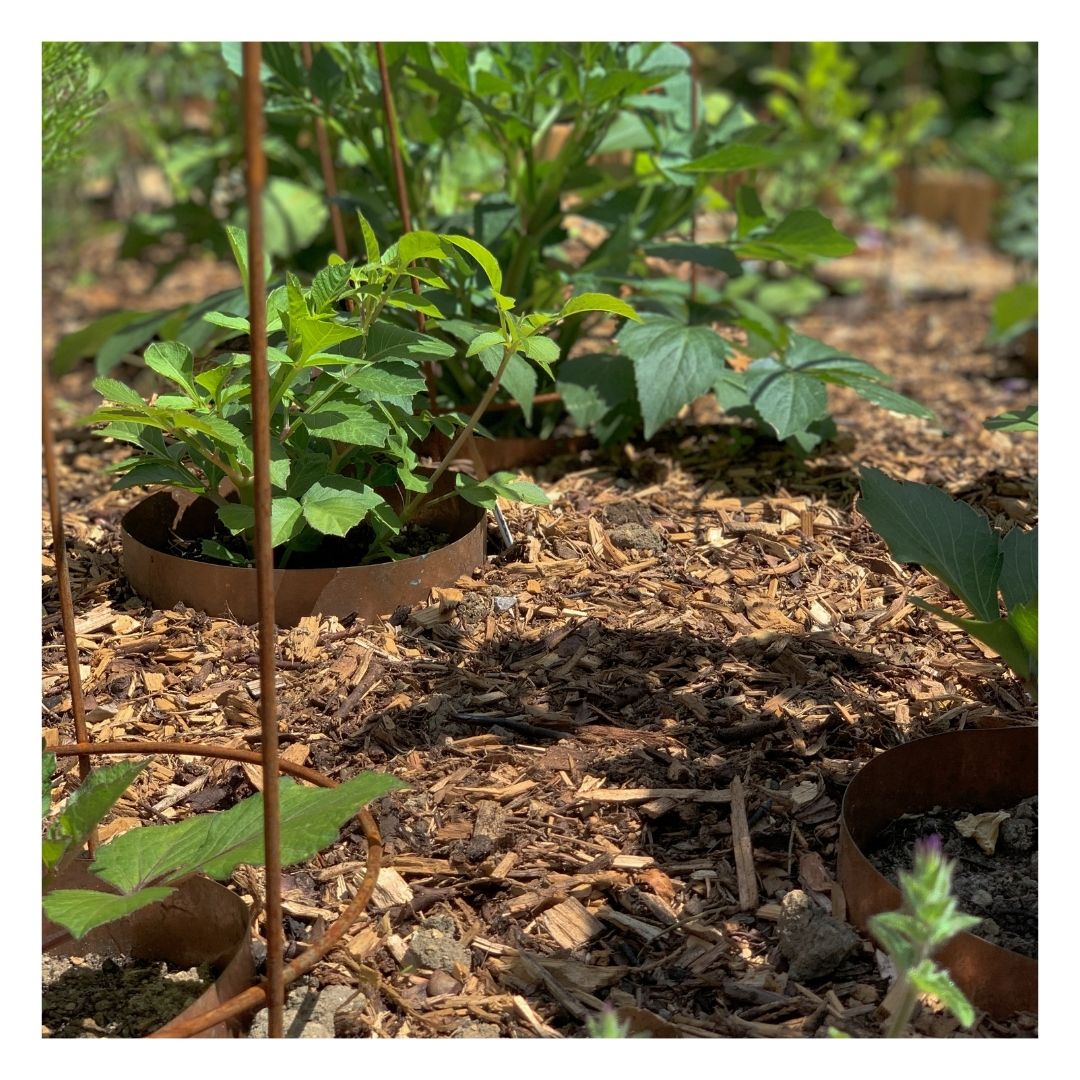
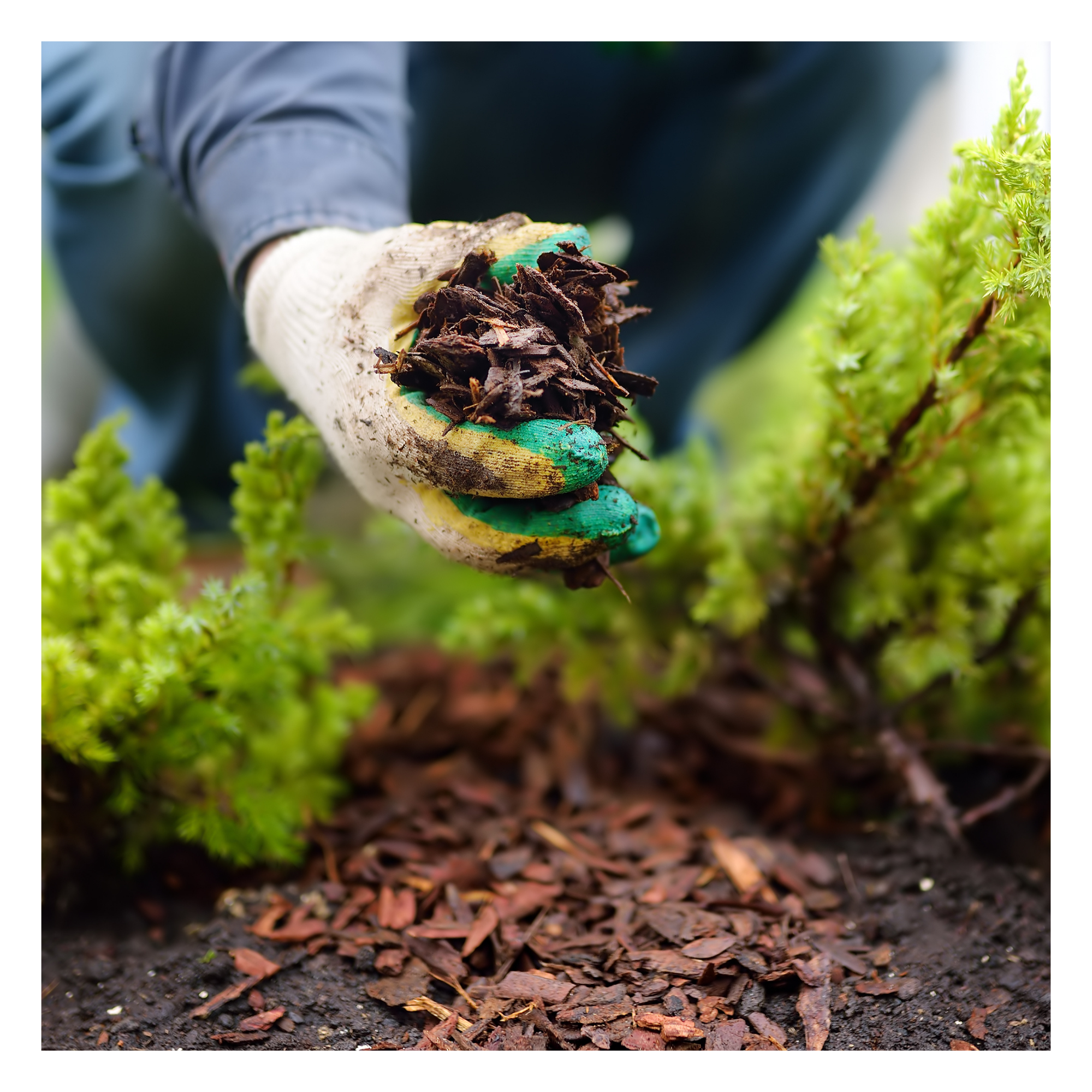
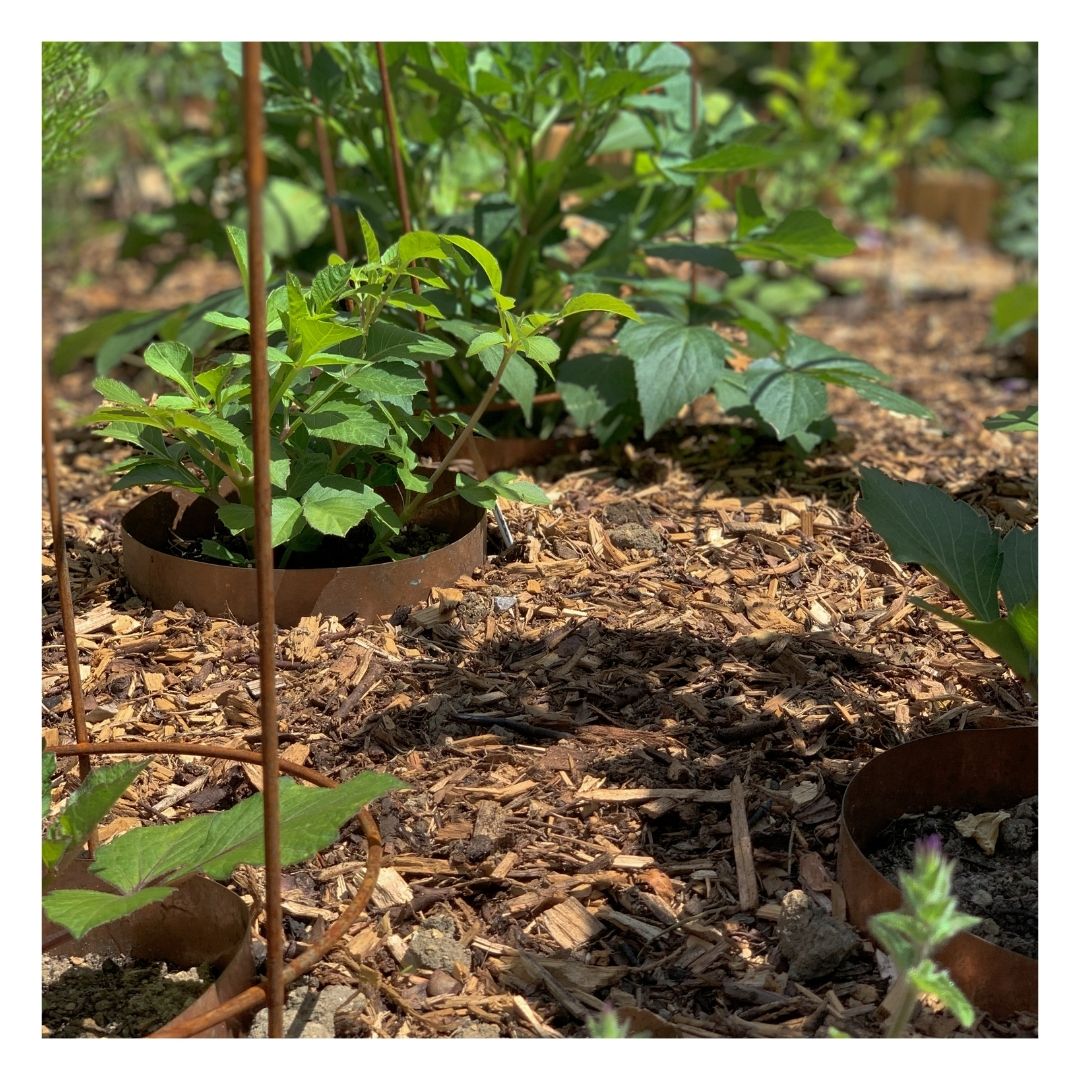
Mulch after rain, never before. Mulch locks in whatever moisture is already there, spreading it over dry soil seals in the drought. Wait for a decent downpour, weed the bed, then apply a 50–75mm layer of bark mulch or composted bark, keeping it clear of plant stems and tree trunks.
The benefits carry right through to spring: less watering, dramatically fewer weeds, protection for roots over winter, and a slow feed as the bark breaks down.
Turn your compost heap. August heaps are full of grass clippings and spent crops, which means they're often wet, dense and smelly. Turn the heap and mix in something woody, i.e. shredded prunings, cardboard or straw to get air back in. A heap turned now can be usable by late autumn.
Start preparing autumn planting beds. Any border you plan to plant up in October will benefit from having compost or soil improver spread on the surface now. You don't need to dig it in — worms will do the work over the next two months.
Pruning, harvesting and general maintenance
- Prune wisteria — cut this summer's whippy growth back to five or six leaves.
- Trim lavender after flowering, cutting back into the green but never into old bare wood.
- Cut out fruited canes on summer-raspberries and tie in this year's new growth.
- Deadhead dahlias, roses and bedding relentlessly to keep flowering into October.
- Trim hedges — but check thoroughly for nesting birds first. The main nesting season runs to the end of August and it's an offence to disturb an active nest.
- Take cuttings of pelargoniums, fuchsias, penstemons and salvias as insurance against a hard winter.
- Water deeply and less often. A long soak twice a week grows deeper roots than a daily sprinkle. Prioritise containers, anything planted this year, and fruit that's swelling.
- Collect seed from poppies, aquilegia, sweet peas and hardy annuals on a dry day.
Frequently asked questions
Is it too late to plant vegetables in August? No. Spring cabbage, spinach, winter lettuce, oriental greens, turnips, radish and spring onions can all be sown in August in the UK for autumn, winter and early spring harvests.
Can you lay turf in August in the UK? Yes, particularly from mid to late August as temperatures ease and rainfall returns. New turf must be watered daily for the first two to three weeks, so avoid laying during a heatwave or hosepipe ban.
When should I mulch my garden — August or autumn? Either works, but mulching in August after heavy rain gives you weed suppression and moisture retention for the rest of the growing season, as well as winter root protection. Just never mulch onto dry soil.
What lawn feed should I use in August? Switch to an autumn feed that's low in nitrogen and high in potassium. Summer feeds encourage soft growth that's vulnerable to frost and fungal disease.
Should I still be watering in August? Yes — August is often drier than July. Water deeply two or three times a week rather than lightly every day, and use rainwater from a butt where you can.
Get set up for the season
Whatever's on your August list, it starts with what's under it. We supply screened topsoil, multipurpose compost and soil improver, bark mulch, lawn topdressing and freshly cut turf — delivered in bulk bags across England & Wales.
Shop compost and soil improvers · Browse bark and mulch · Order turf
Not sure how much you need? Use our soil and mulch formula underneath our product listings or call the team on 01202 593601.
Shop Eco Mulch & Bark
-
Eco Woodland Garden Mulch
Regular price £146.95 GBPRegular price -
Eco Paths: Woodland Mulch
Regular price £146.95 GBPRegular price -
Eco Mulch: Soil Improving Mulch
Regular price £131.95 GBPRegular price -
Eco Bark & Mulch: Playground Chippings
Regular price £171.95 GBPRegular price


Related Articles
-

End of Summer Garden Tidy-Up: 8 Jobs to Do Befo...
Late August and September are the best time to start preparing your garden for autumn — tidying up summer growth, clearing spent plants, and getting ahead of jobs before the...
End of Summer Garden Tidy-Up: 8 Jobs to Do Befo...
Late August and September are the best time to start preparing your garden for autumn — tidying up summer growth, clearing spent plants, and getting ahead of jobs before the...
-

What to Do in the Garden in August
August is the garden's turning point. The main harvest is coming in, the borders are past their peak, and the soil is still warm — which makes it the single...
What to Do in the Garden in August
August is the garden's turning point. The main harvest is coming in, the borders are past their peak, and the soil is still warm — which makes it the single...
-

July Gardening Checklist: What to Plant, Prune,...
UK gardeners should sow fast-maturing vegetables and biennial flowers, deadhead roses and bedding plants weekly, water containers and new plantings deeply, harvest garlic, soft fruit and early potatoes.
July Gardening Checklist: What to Plant, Prune,...
UK gardeners should sow fast-maturing vegetables and biennial flowers, deadhead roses and bedding plants weekly, water containers and new plantings deeply, harvest garlic, soft fruit and early potatoes.
-

How to Protect Your Garden During a Heatwave in...
The British summer has changed. What once meant a few warm days followed by welcome drizzle now increasingly means prolonged dry spells, scorched lawns, and wilting plants.
How to Protect Your Garden During a Heatwave in...
The British summer has changed. What once meant a few warm days followed by welcome drizzle now increasingly means prolonged dry spells, scorched lawns, and wilting plants.


