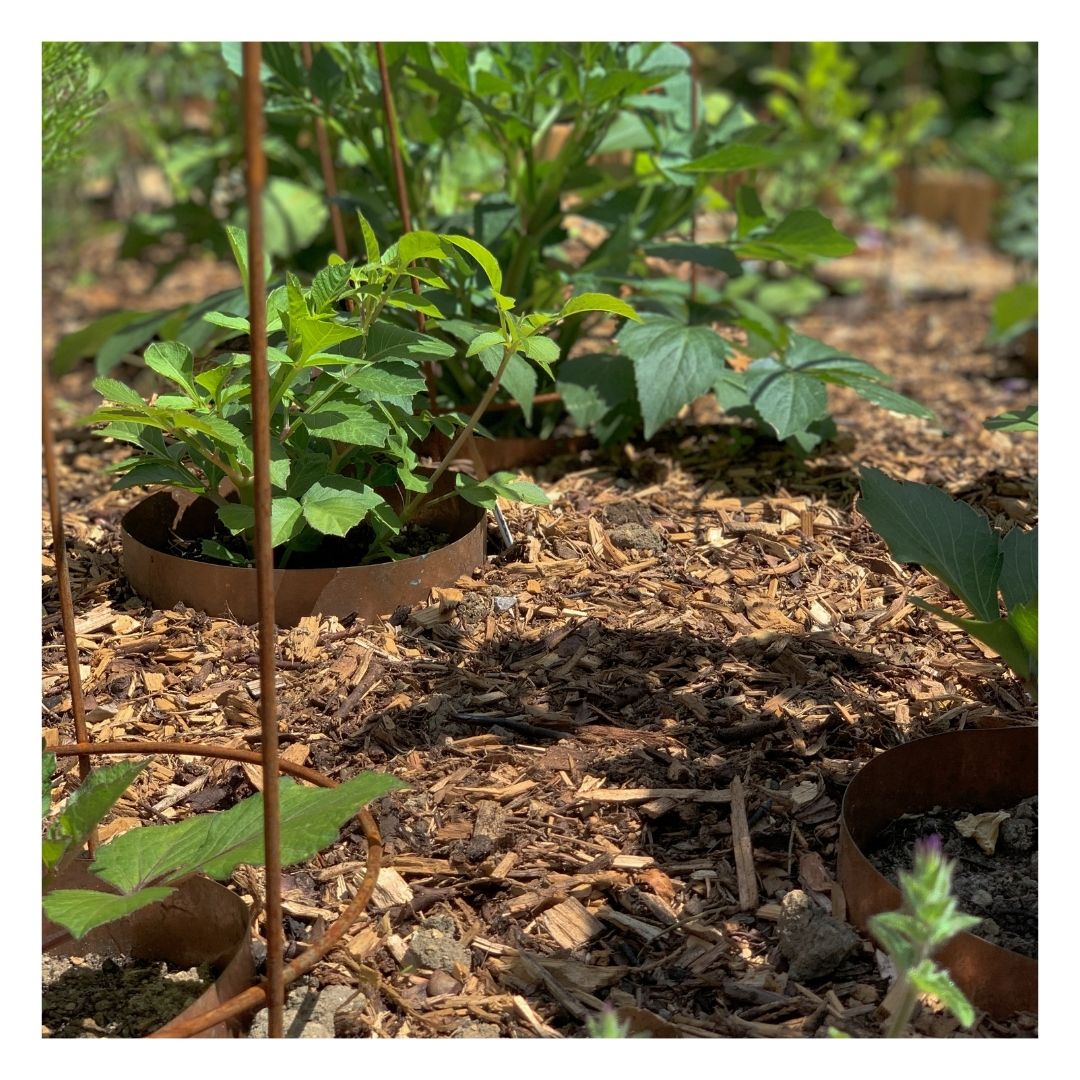

July Gardening Checklist: What to Plant, Prune, Water and Harvest This Month
Quick answer: In July, UK gardeners should sow fast-maturing vegetables and biennial flowers, deadhead roses and bedding plants weekly, water containers and new plantings deeply, harvest garlic, soft fruit and early potatoes, and watch for blackfly, blight and slugs. Below is the complete, categorised checklist — plus a free printable PDF you can download and tick off as you go.
What Should I Be Doing in the Garden in July (UK)
July sits at the peak of the UK growing season. Warm soil and long daylight hours make it the best month for a final round of quick vegetable sowings, ongoing deadheading to keep flowers blooming, and daily watering during dry spells. It's also a key harvest month for garlic, shallots, soft fruit and early potatoes.
The sections below answer the most common July gardening questions directly, so you can jump to what you need.
What Can I Plant in a UK Garden in July?
July is a great month for sowing biennials, fast vegetables, and several flower varieties, even though it feels late in the season.
Vegetables to sow or plant in July
Beetroot, carrots, radishes, salad leaves and spring onions (fast-maturing crops)
Leeks and brassicas (cabbage, kale, sprouts) — plant out now for autumn/winter harvest
A final batch of French or dwarf beans for a late crop
Flowers to sow or plant in July
- Biennials: wallflowers, foxgloves, sweet Williams, honesty (sow now for flowers next spring/summer)
-
Perennials: delphiniums, lupins, hollyhocks (sow now to flower next year)
Leftover bedding plants — petunias, begonias, marigolds still in trays can go in for a late display - Autumn-flowering bulbs: colchicums and Crocus speciosus, planted now for September/October flowers
-
Fast annuals: cornflowers, calendula, nasturtiums for quick late-summer colour
Nigella (love-in-a-mist) — drought-tolerant once established, self-seeds, attracts bees -
Cosmos: flowers within weeks and keeps blooming until first frost if deadheaded
Sunflowers (dwarf or fast varieties) — still time for blooms by late summer/early autumn - Chit spring bulbs: pop unsold daffodil or tulip bulbs in a paper bag somewhere cool and dark, ready for autumn planting
-
Shop Mulch & Bark
-
Relevant Ranges
-
Useful Articles
-
Helpful Information
How Do I Keep Flowers Blooming All Summer?
Deadheading is the single most effective July task for continuous flowering. Regularly deadhead roses, sweet peas, dahlias and bedding plants. Other flower-care jobs for July include:
- Feeding sweet peas with a liquid feed to extend flowering
- Disbudding dahlias (pinching out side buds) for fewer but larger blooms
- Cutting back early-flowering perennials like delphiniums and lupins after their first flush — many will flower again later in summer
What Pruning Needs Doing in July?
- Wisteria - Summer-prune, shortening whippy shoots to 5–6 leaves
- Philadelphus, weigela - Trim once flowering has finished
- Hardy geraniums - Cut back after first flush for a second bloom
- Lavender - Trim after flowering to keep it compact
- Roses, sweet peas, dahlias, bedding - Deadhead regularly
How Often Should I Water in July?
Containers, hanging baskets and greenhouse plants need watering daily during hot spells, while new trees, shrubs and hedges are better off with a deep soak once a week rather than little and often. Tomatoes, peppers and courgettes should get a weekly high-potash feed alongside their watering, and if you haven't already, now's the time to apply a summer mulch to lock in soil moisture.
What Can I Harvest in July?
Courgettes, cucumbers and salad crops are best picked regularly, since harvesting encourages more to grow. Garlic and shallots are ready once their leaves turn yellow and topple over, soft fruit like strawberries, raspberries, currants and gooseberries are in full swing, and early potatoes can come up once their flowers open.
What Pests and Diseases Should I Watch for in July?
Warm, humid July weather is prime conditions for pests and disease. Check for:
- Blackfly on beans and aphids on roses — treat early before infestations spread
- Blight on tomatoes and potatoes — a particular risk in humid weather
- Cabbage white butterflies — net brassicas to protect them
- Slugs and snails — most active after rainfall
Lawn, Greenhouse and General Maintenance
On the lawn, raise your mower blades during dry spells to reduce stress on the grass, and keep hoeing borders regularly so weeds don't get a foothold while they're still small. Stake tall or floppy perennials like delphiniums and dahlias before they flop, and give climbing beans, tomatoes and cucumbers support as they grow. Top up bird baths and ponds in hot weather.
In the greenhouse, good ventilation and some shading will stop plants scorching, and damping down the floor on hot days raises humidity and helps deter red spider mite. It's also a good moment to repot or top-dress any permanent container plants whose roots have become congested.
July Gardening FAQ
Is July too late to sow flower seeds in the UK?
No. July is ideal for sowing biennials such as wallflowers and foxgloves (which flower next year), and there's still time for fast annuals like cornflowers, calendula, nasturtiums, nigella and cosmos to bloom before the first frosts.
What vegetables can I still plant in July?
Fast-maturing crops such as beetroot, carrots, radishes and salad leaves, plus leeks and brassicas for an autumn/winter harvest, and a final sowing of dwarf beans.
Why should I disbud dahlias?
Pinching out the side buds redirects the plant's energy into fewer flowers, producing larger, showier blooms — a common technique for exhibition and cut-flower dahlias.
How do I stop my tomatoes and potatoes getting blight in July?
Blight thrives in warm, humid conditions. Water at the base rather than over foliage, ensure good airflow between plants, and check leaves regularly so you can act at the first sign of brown or black patches.
Download our Free Printable Checklist
Want the whole list in one place to print and tick off? Grab the free PDF:
Download the UK July Gardening Checklist (PDF)
(Save it, print it, and keep it by the back door all month.)
Shop Eco Mulch & Bark
-
Eco Woodland Garden Mulch
Regular price £146.95 GBPRegular price -
Eco Paths: Woodland Mulch
Regular price £146.95 GBPRegular price -
Eco Mulch: Soil Improving Mulch
Regular price £131.95 GBPRegular price -
Eco Bark & Mulch: Playground Chippings
Regular price £171.95 GBPRegular price


Related Articles
-

End of Summer Garden Tidy-Up: 8 Jobs to Do Befo...
Late August and September are the best time to start preparing your garden for autumn — tidying up summer growth, clearing spent plants, and getting ahead of jobs before the...
End of Summer Garden Tidy-Up: 8 Jobs to Do Befo...
Late August and September are the best time to start preparing your garden for autumn — tidying up summer growth, clearing spent plants, and getting ahead of jobs before the...
-

What to Do in the Garden in August
August is the garden's turning point. The main harvest is coming in, the borders are past their peak, and the soil is still warm — which makes it the single...
What to Do in the Garden in August
August is the garden's turning point. The main harvest is coming in, the borders are past their peak, and the soil is still warm — which makes it the single...
-

July Gardening Checklist: What to Plant, Prune,...
UK gardeners should sow fast-maturing vegetables and biennial flowers, deadhead roses and bedding plants weekly, water containers and new plantings deeply, harvest garlic, soft fruit and early potatoes.
July Gardening Checklist: What to Plant, Prune,...
UK gardeners should sow fast-maturing vegetables and biennial flowers, deadhead roses and bedding plants weekly, water containers and new plantings deeply, harvest garlic, soft fruit and early potatoes.
-

How to Protect Your Garden During a Heatwave in...
The British summer has changed. What once meant a few warm days followed by welcome drizzle now increasingly means prolonged dry spells, scorched lawns, and wilting plants.
How to Protect Your Garden During a Heatwave in...
The British summer has changed. What once meant a few warm days followed by welcome drizzle now increasingly means prolonged dry spells, scorched lawns, and wilting plants.


