
6 Gardening Mistakes Almost Everyone Makes (And How to Fix Them Fast)
Gardening looks simple… until plants start wilting, soil turns rock-hard, or weeds seem to grow faster than anything you actually planted.
The truth? Most garden problems come down to a few common mistakes and the good news is they’re easy to fix once you know what to look for.
Below are the six most common gardening mistakes homeowners make, and exactly how to fix them fast.
Planting Without Fixing the Soil First
The mistake:
Planting directly into compacted, nutrient-poor soil and hoping for the best.
Why it’s a problem:
Poor soil prevents roots from spreading, drains badly, and lacks nutrients—leading to weak, slow-growing plants.
The fast fix:
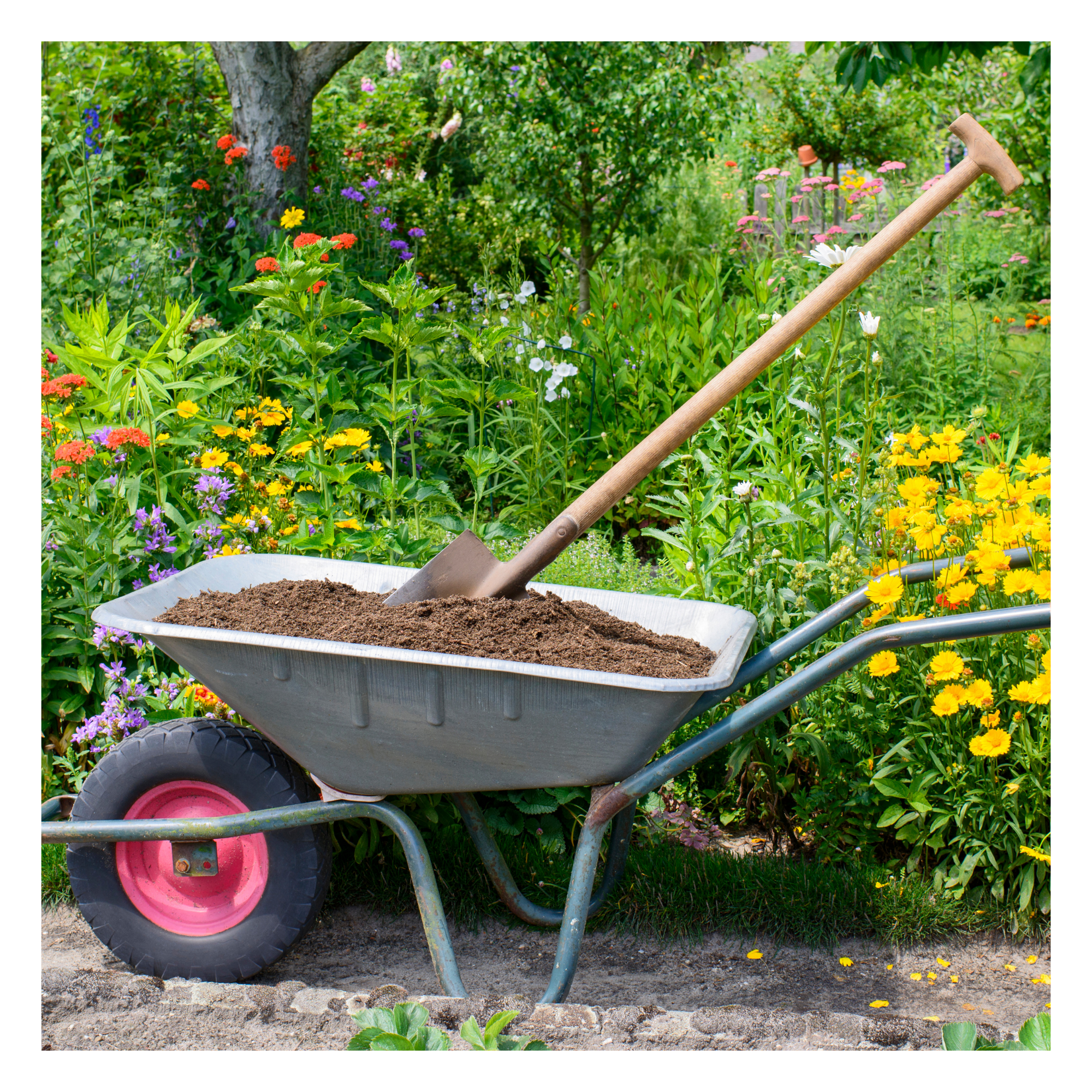
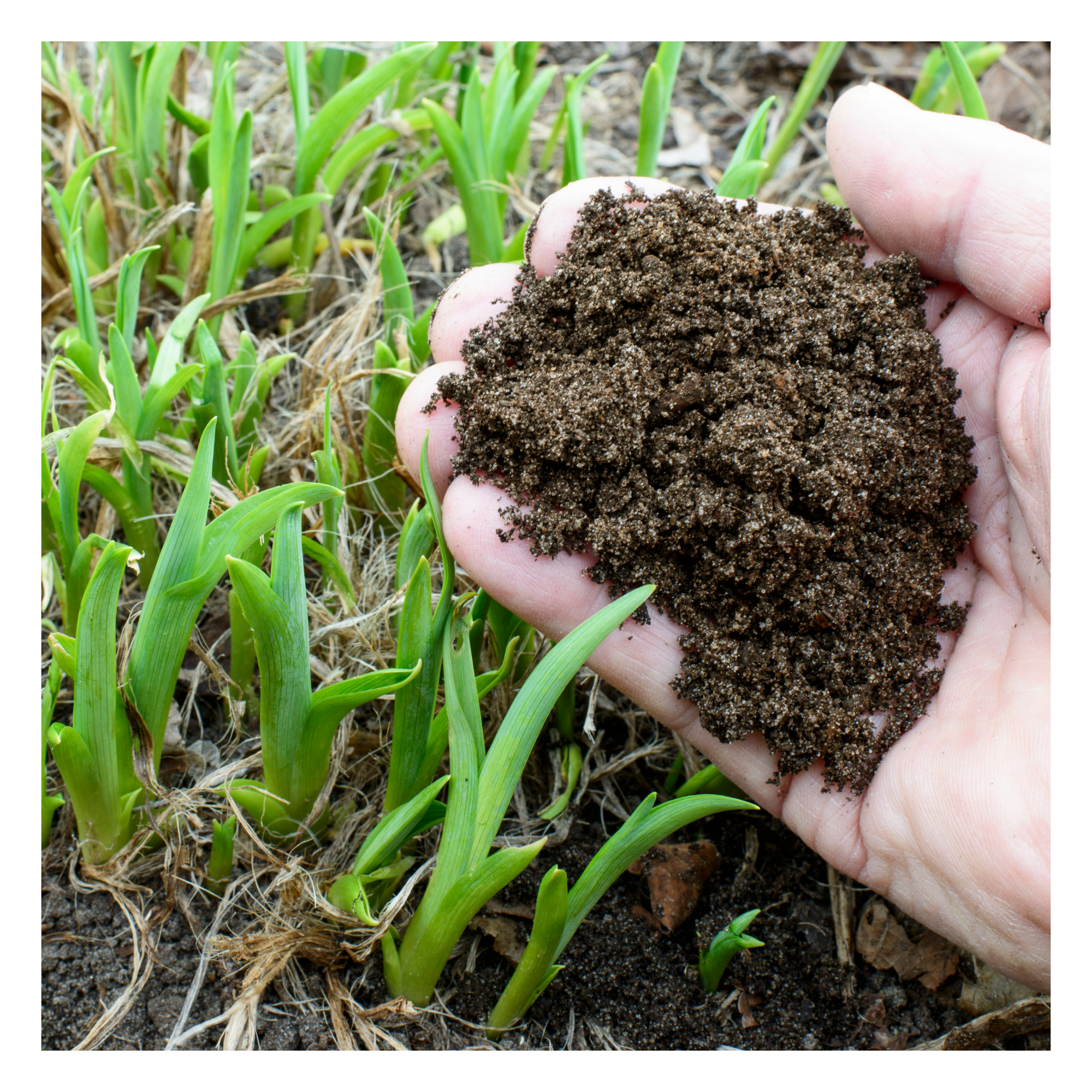
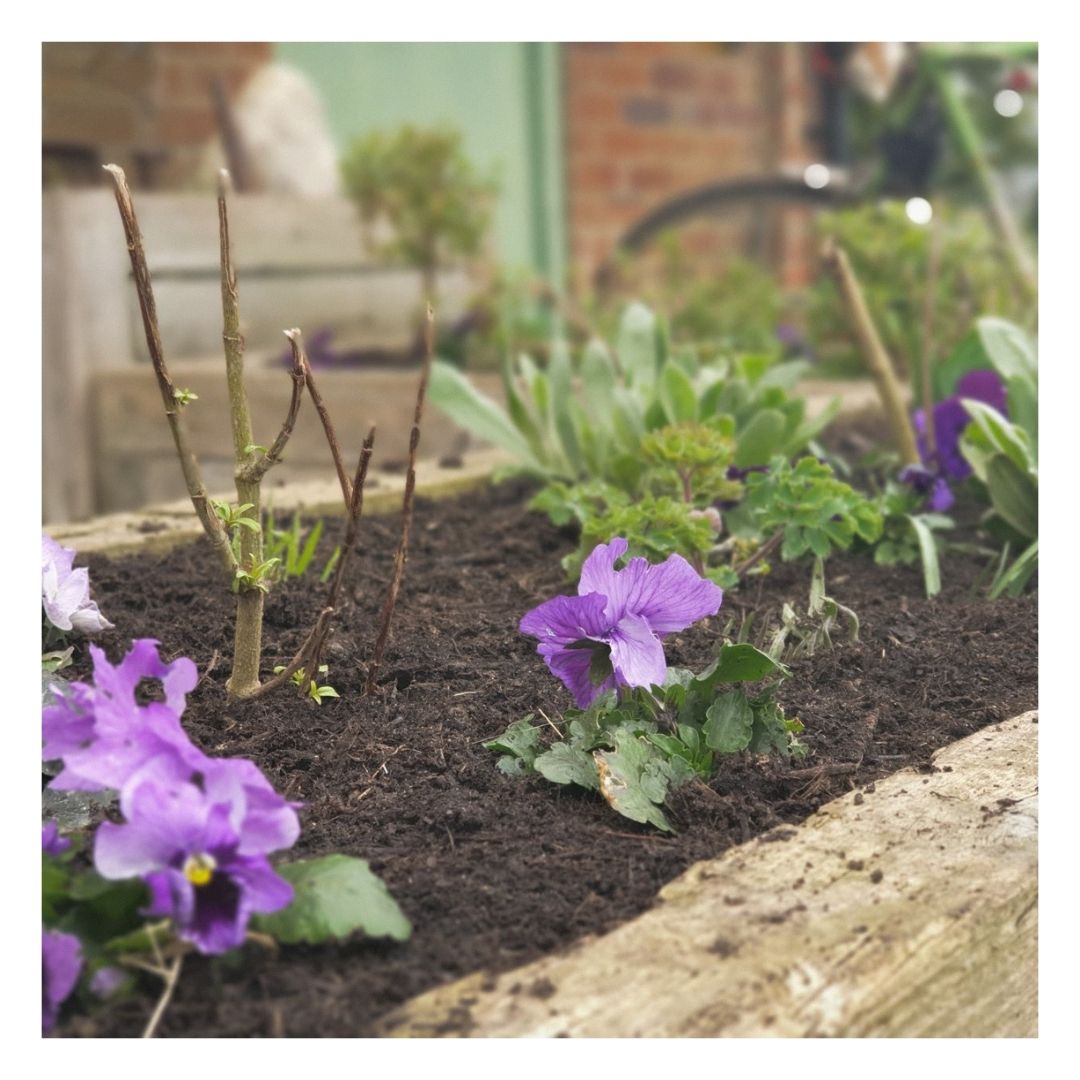
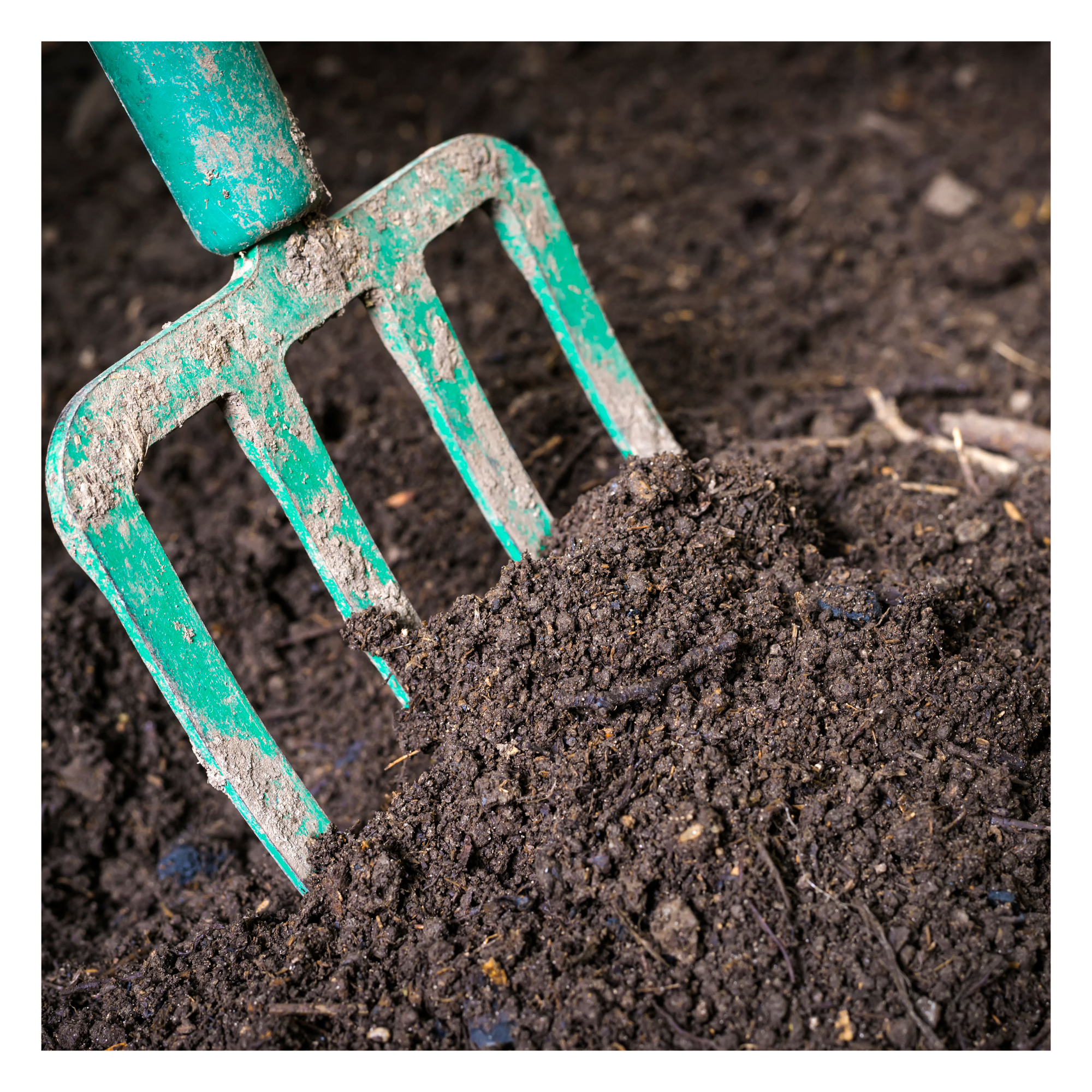
Start with high-quality topsoil blended with compost to improve structure, drainage, and nutrients. If you have already planted into poor quality soil, you can improve its condition by breaking up the soil with a fork to aerate it and mixing in an organic compost.
Over (Or Under) Watering!
The mistake:
Watering every day “just to be safe" or not watering enough.
Why it’s a problem:
Overwatering suffocates roots and encourages rot, fungus, and pests — essentially drowning the plant over time. Underwatering causes plants to yellow, stunts growth, and can lead to dry, compacted soil.
The fast fix:
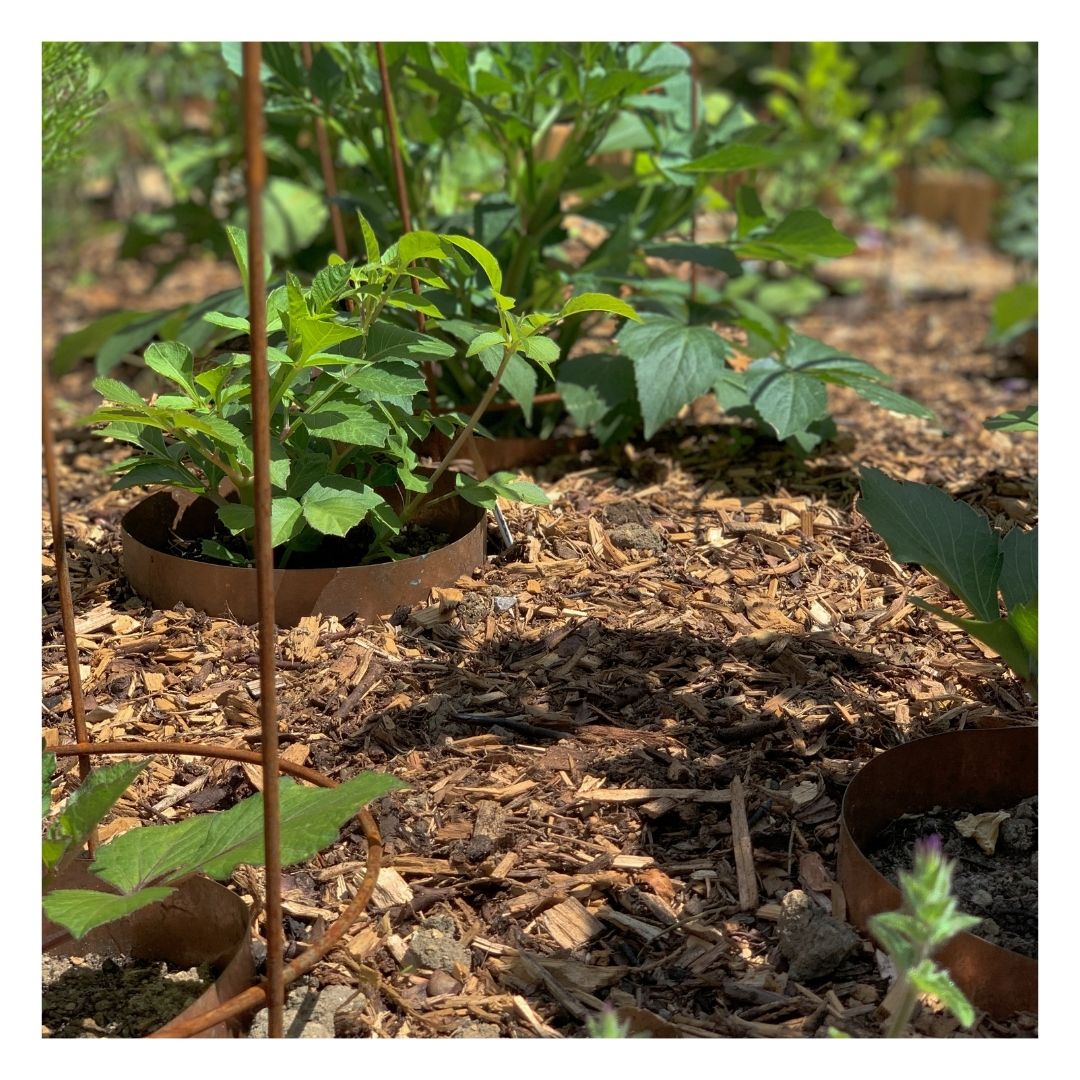
Check the soil before watering. Stick your finger 1–2 inches into the soil and only water when it feels dry. Adding organic mulch or bark around plants helps retain moisture naturally. We recommend using a bark with a mix of large and small pieces, like our Amenity Barkso decomposition is staggered over time.
Pro tip:
Mulch keeps soil cool in summer and warm in winter.
Skipping Mulch Altogether
The mistake:
Leaving soil exposed to the elements.
Why it’s a problem:
Bare soil dries out faster, grows more weeds, and loses nutrients quickly.
The fast fix:
Apply a 5–7 cm layer of mulch or bark to lock in moisture, suppress weeds and improve soil health.
Our Suggestions:
Decorative Bark Nuggets for beds & borders
Organic Soil Improving Mulch for vegetable gardens and flower patches
Choosing the Wrong Plants for Your Soil
The mistake:
Buying plants based on looks alone.
Why it’s a problem:
Some plants hate clay soil, others struggle in sandy soil.
The fast fix:
Take time to understand your soil type and plan your planting accordingly. DIY soil testing kits are widely available online and can provide useful insights into pH, nutrients, and soil structure. It’s also helpful to consider your Plant Hardiness Zone when selecting plants.
For more information about Plant Hardiness Zones, please check out our blog post here.
Expecting Instant Results
The mistake:
Assuming plants will thrive overnight.
Why it’s a problem:
Gardens develop over time, and improvements (especially below the surface) don’t happen overnight.
The fast fix:
Focus on building healthy soil and giving plants time to establish, allowing natural processes to do their work.
Trying to Fix Problems Instead of Preventing Them
The mistake:
Reacting to weeds, pests, and poor growth after they appear.
The fast fix:
Healthy soil + mulch + compost = fewer problems from day one.
Prevention wins every time.
Most gardening mistakes aren’t about plants, they’re about what’s happening beneath the surface. By starting with a strong foundation, you’ll grow healthier plants, reduce maintenance, and enjoy better results with less effort.
-
Shop Eco Top Sellers
-
Relevant Ranges
-
Helpful Information
6 Gardening Mistakes Almost Everyone Makes (And How to Fix Them Fast)
Gardening looks simple… until plants start wilting, soil turns rock-hard, or weeds seem to grow faster than anything you actually planted.
The truth? Most garden problems come down to a few common mistakes and the good news is they’re easy to fix once you know what to look for.
Below are the six most common gardening mistakes homeowners make, and exactly how to fix them fast.
Planting Without Fixing the Soil First
The mistake:
Planting directly into compacted, nutrient-poor soil and hoping for the best.
Why it’s a problem:
Poor soil prevents roots from spreading, drains badly, and lacks nutrients—leading to weak, slow-growing plants.
The fast fix:
Start with high-quality topsoil blended with compost to improve structure, drainage, and nutrients. If you have already planted into poor quality soil, you can improve its condition by breaking up the soil with a fork to aerate it and mixing in an organic compost.
Over (Or Under) Watering!
The mistake:
Watering every day “just to be safe" or not watering enough.
Why it’s a problem:
Overwatering suffocates roots and encourages rot, fungus, and pests — essentially drowning the plant over time. Underwatering causes plants to yellow, stunts growth, and can lead to dry, compacted soil.
The fast fix:
Check the soil before watering. Stick your finger 1–2 inches into the soil and only water when it feels dry. Adding organic mulch or bark around plants helps retain moisture naturally. We recommend using a bark with a mix of large and small pieces, like our Amenity Barkso decomposition is staggered over time.
Pro tip:
Mulch keeps soil cool in summer and warm in winter.
Skipping Mulch Altogether
The mistake:
Leaving soil exposed to the elements.
Why it’s a problem:
Bare soil dries out faster, grows more weeds, and loses nutrients quickly.
The fast fix:
Apply a 5–7 cm layer of mulch or bark to lock in moisture, suppress weeds and improve soil health.
Our Suggestions:
Decorative Bark Nuggets for beds & borders
Organic Soil Improving Mulch for vegetable gardens and flower patches
Choosing the Wrong Plants for Your Soil
The mistake:
Buying plants based on looks alone.
Why it’s a problem:
Some plants hate clay soil, others struggle in sandy soil.
The fast fix:
Take time to understand your soil type and plan your planting accordingly. DIY soil testing kits are widely available online and can provide useful insights into pH, nutrients, and soil structure. It’s also helpful to consider your Plant Hardiness Zone when selecting plants.
For more information about Plant Hardiness Zones, please check out our blog post here.
Expecting Instant Results
The mistake:
Assuming plants will thrive overnight.
Why it’s a problem:
Gardens develop over time, and improvements (especially below the surface) don’t happen overnight.
The fast fix:
Focus on building healthy soil and giving plants time to establish, allowing natural processes to do their work.
Trying to Fix Problems Instead of Preventing Them
The mistake:
Reacting to weeds, pests, and poor growth after they appear.
The fast fix:
Healthy soil + mulch + compost = fewer problems from day one.
Prevention wins every time.
Most gardening mistakes aren’t about plants, they’re about what’s happening beneath the surface. By starting with a strong foundation, you’ll grow healthier plants, reduce maintenance, and enjoy better results with less effort.
Shop Eco Top Sellers
-
 Sold out
Eco Woodland Garden Mulch
Regular price £146.95 GBPRegular price -
Eco Bark & Mulch: Playground Chippings
Regular price £171.95 GBPRegular price -
Eco Organic Topsoil: Fruit & Veg
Regular price £131.95 GBPRegular price -
 Sold out
Eco Paths: Woodland Mulch
Regular price £146.95 GBPRegular price


Related Articles
-

Shade-Loving Perennials for Fence Lines
If you've got a north-facing fence line, you'll know the feeling. You stand there, trowel in hand, watching the sun arc overhead and disappear somewhere over your neighbour's roof, leaving...
Shade-Loving Perennials for Fence Lines
If you've got a north-facing fence line, you'll know the feeling. You stand there, trowel in hand, watching the sun arc overhead and disappear somewhere over your neighbour's roof, leaving...
-

6 Gardening Mistakes Almost Everyone Makes (And...
Gardening looks simple… until plants start wilting, soil turns rock-hard, or weeds seem to grow faster than anything you actually planted.
6 Gardening Mistakes Almost Everyone Makes (And...
Gardening looks simple… until plants start wilting, soil turns rock-hard, or weeds seem to grow faster than anything you actually planted.
-

How to Maintain Your Lawn in Winter
The way you care for your lawn during the colder months has a huge impact on how healthy, green and quick to recover it will be in spring.
How to Maintain Your Lawn in Winter
The way you care for your lawn during the colder months has a huge impact on how healthy, green and quick to recover it will be in spring.
-

Why You Should Use Soil Improving Mulch In Your...
November is the perfect time to apply mulch before the deep freeze sets in, but after most of your clean-up is done.
Why You Should Use Soil Improving Mulch In Your...
November is the perfect time to apply mulch before the deep freeze sets in, but after most of your clean-up is done.


