
Shade-Loving Perennials for Fence Lines
If you've got a north-facing fence line, you'll know the feeling. You stand there, trowel in hand, watching the sun arc overhead and disappear somewhere over your neighbour's roof, leaving your border in near-permanent shade. It can feel like the garden has dealt you a bad hand.
But here's the truth: north-facing borders aren't a problem, they're an opportunity! With the right plants and a little soil preparation, that shadowy fence line can become one of the most elegant and interesting parts of your entire garden.
Getting the Ground Ready
Before a single plant goes in, it's worth taking stock of what you're working with. Soil along fence lines is often compacted, dry, and depleted.
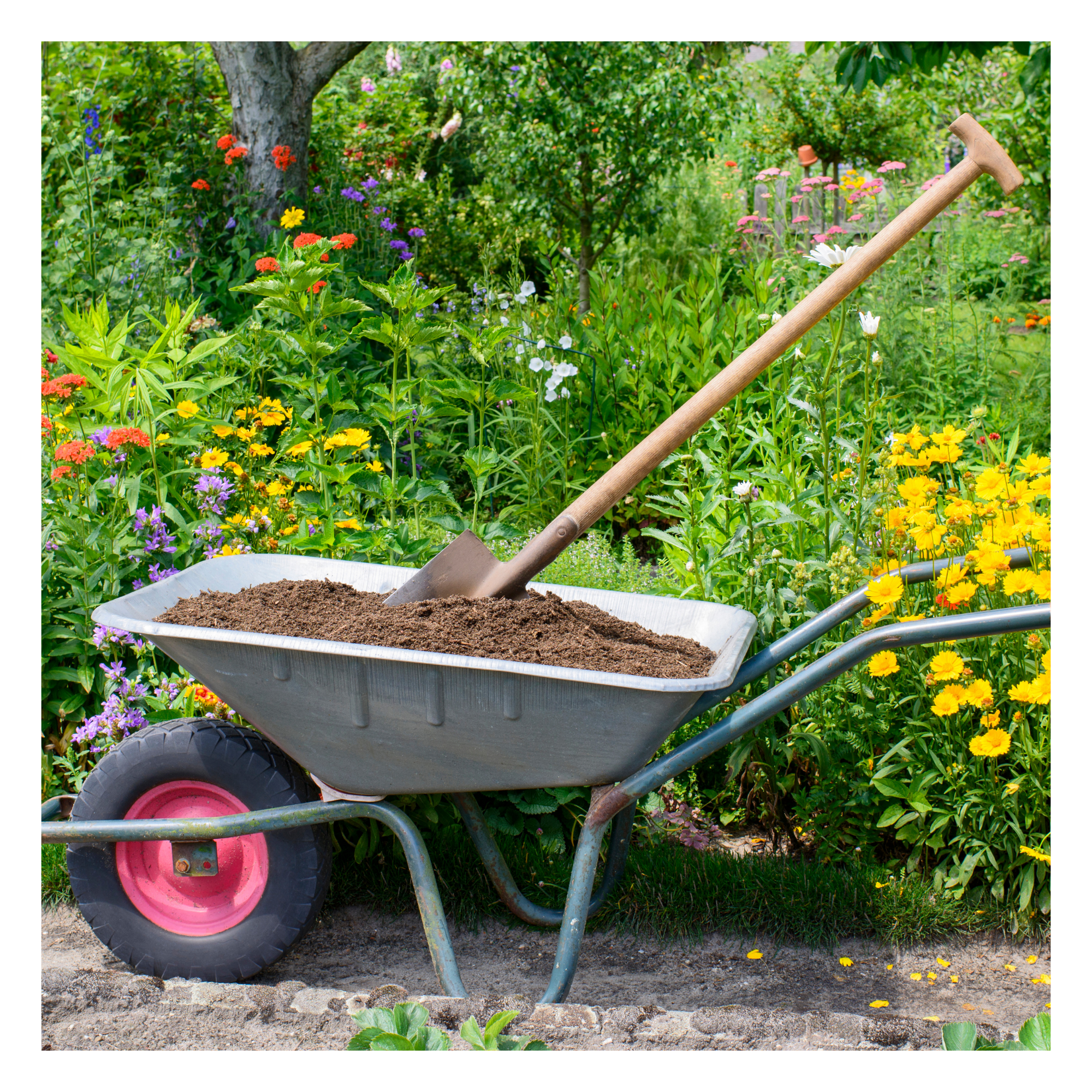
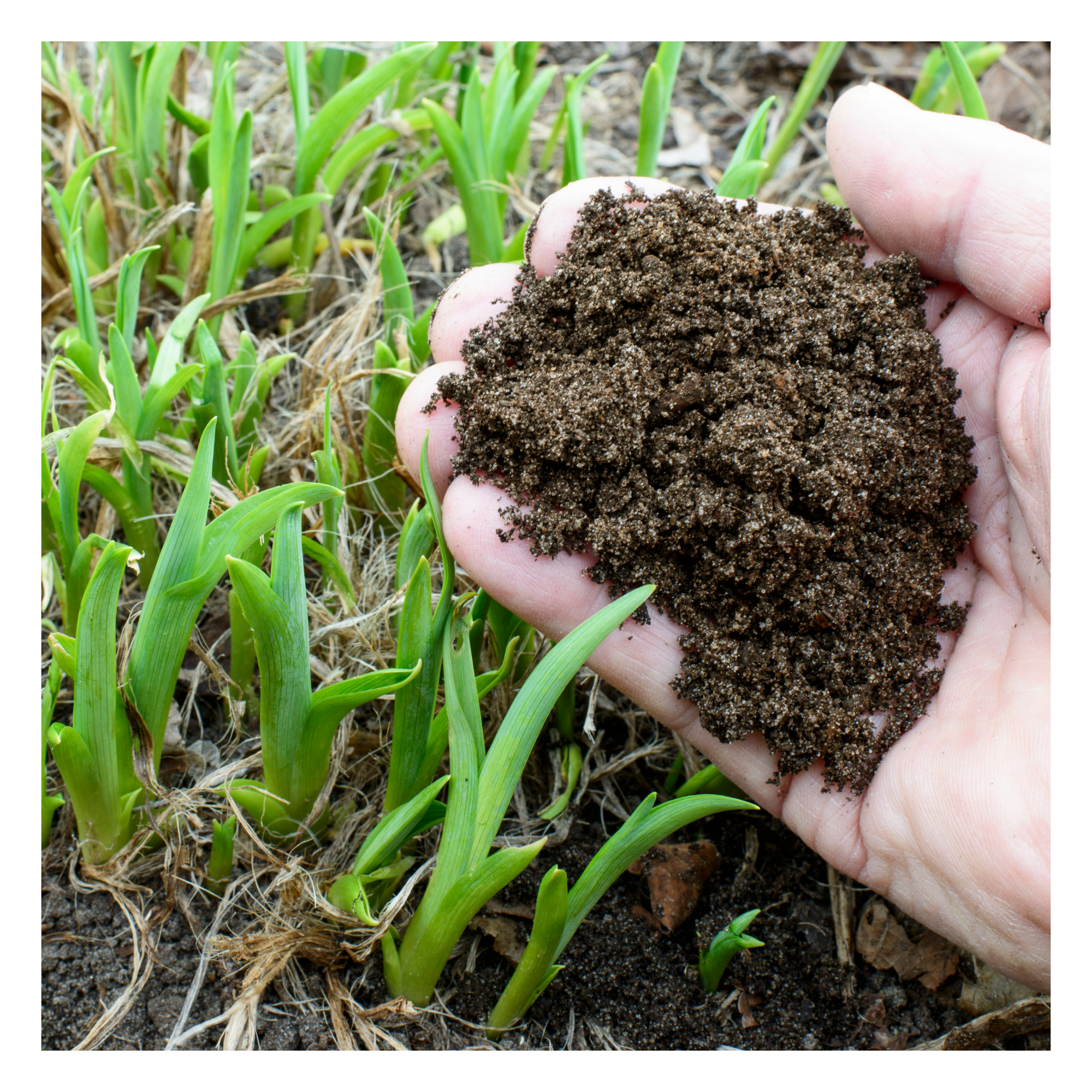
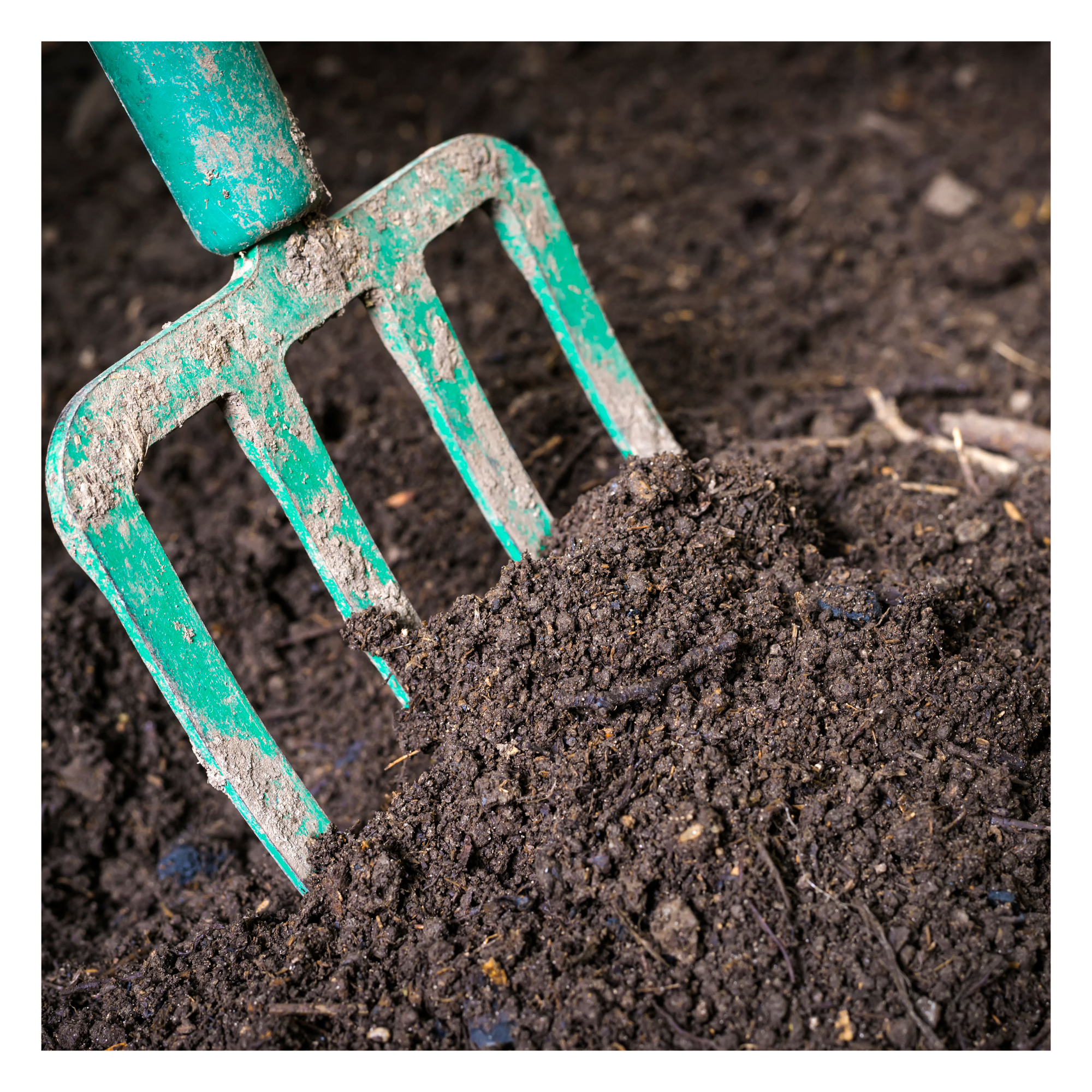
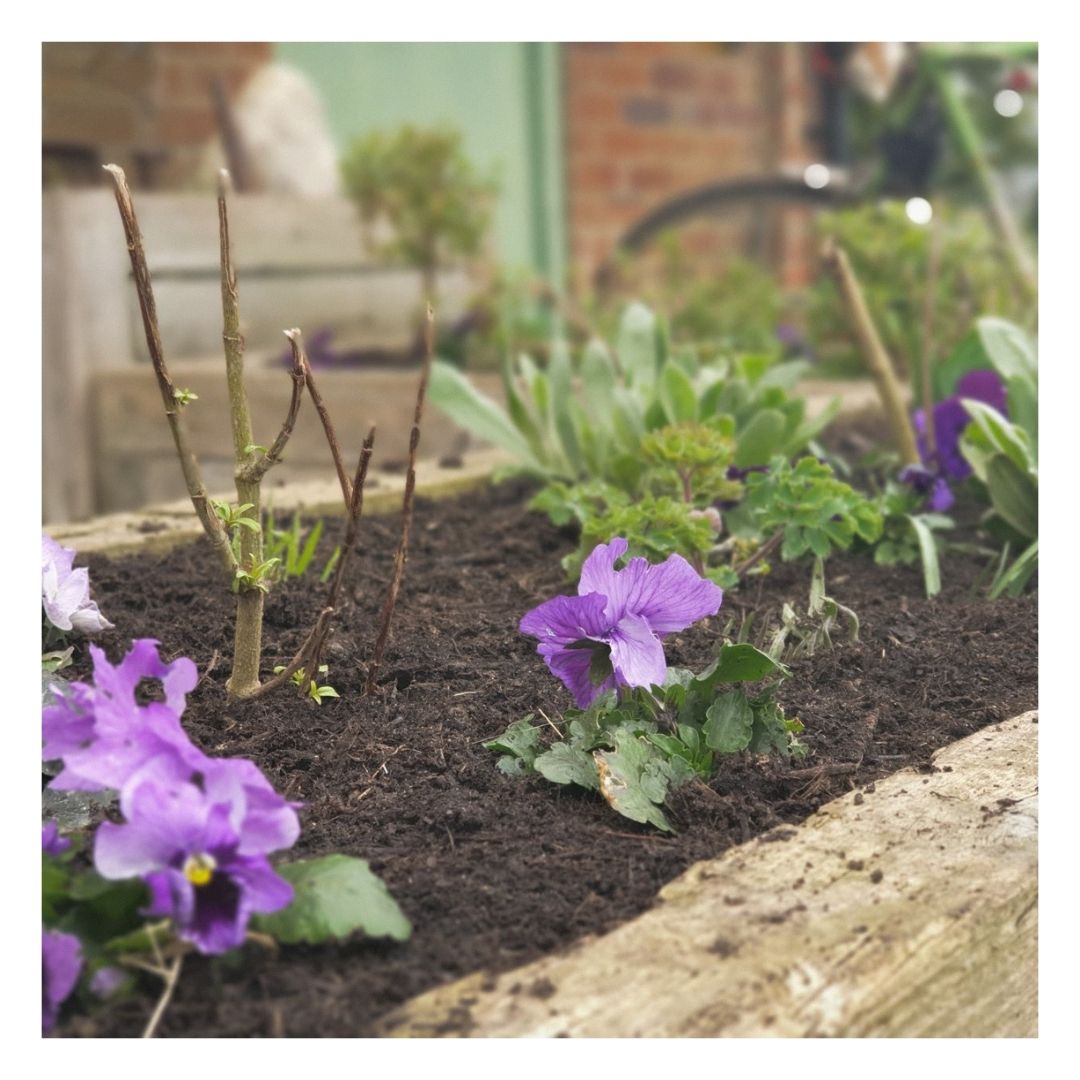
The first step is to dig over the border to at least a spade's depth and work in plenty of organic matter. Eco Organic Soil Improver is ideal for this as it opens up the texture, improves drainage, and starts building the rich, moisture-retentive growing medium that shade-loving perennials thrive in.
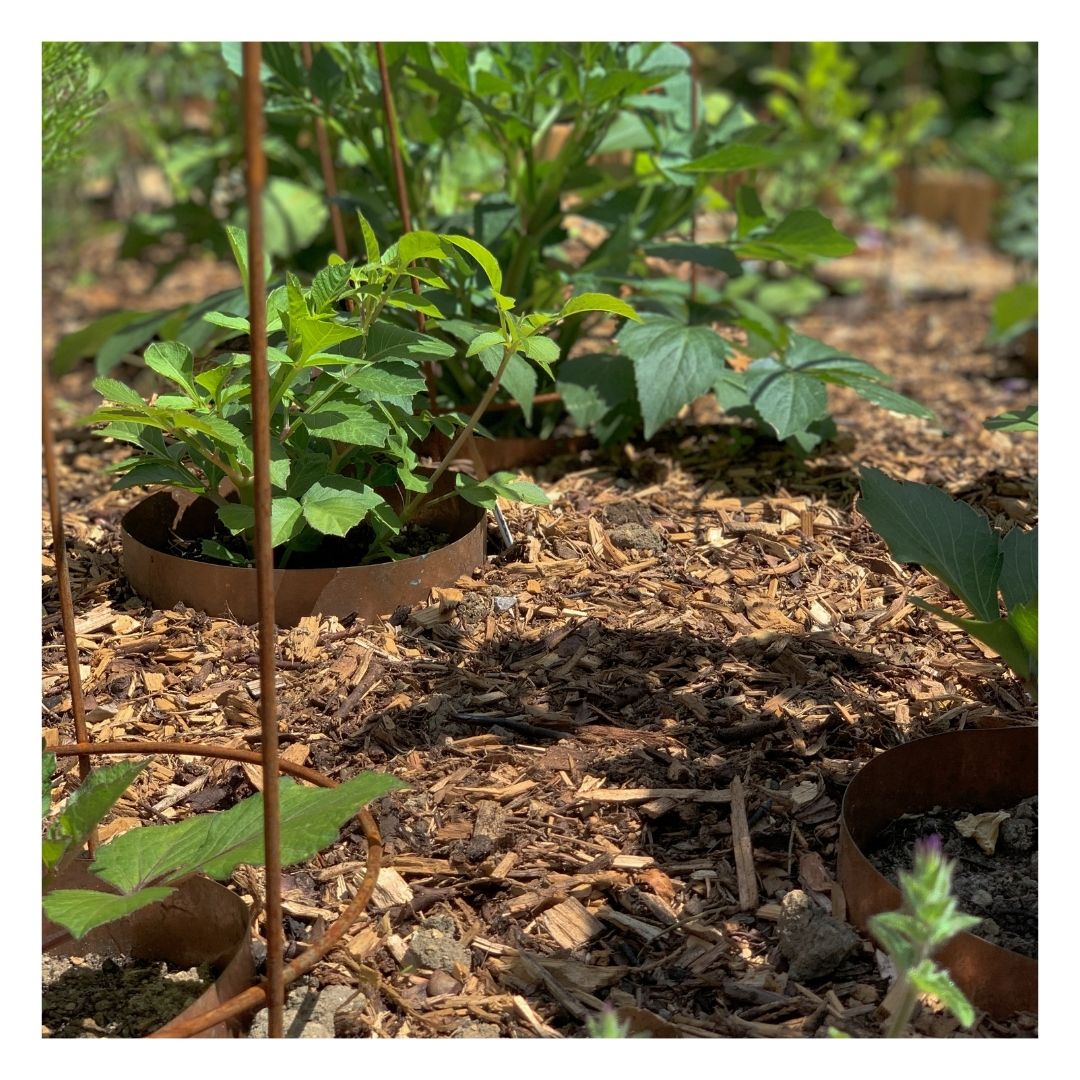
Once you've planted up, a generous woodchip mulch applied to a depth of 7–8cm will lock in moisture, suppress weeds, and keep roots cool throughout summer — all things your shade perennials will thank you for.
-
Shop Eco Compost
-
Relevant Ranges
-
Useful Articles
-
Helpful Information
The Best Shade-Loving Perennials for North-Facing Fence Lines
- Astrantia (Masterwort)
Few plants are as quietly beautiful as Astrantia. Its papery star-like flowers, in shades of white, deep crimson, and dusky pink, appear from early summer right through to autumn if you deadhead regularly. Varieties like 'Hadspen Blood' (deep red) and 'Roma' (soft pink) are particular favourites for a natural, cottage-garden feel along a shaded fence.
- Hostas
Hostas are the undisputed royalty of the shade garden. Their bold, architectural foliage creates genuine drama even in the darkest corners. Lavender flowers appear on tall stems in summer, but it's the leaves that steal the show from spring right through to the first frosts. For hostas to truly perform, the soil needs to be rich and consistently moist.
One word of warning: slugs love hostas as much as gardeners do. Using a woodchip mulch helps to deter slugs and snails, minimising any damage.
- Hellebores
If you want flowers in winter and early spring when almost nothing else stirs hellebores are simply unbeatable. Their nodding blooms in shades of cream, plum, slate, and near-black emerge from January onwards, brightening the dreariest days of the year. Once established, they are virtually indestructible and will slowly self-seed to form generous clumps.
- Ferns
No shade border is complete without ferns. They bring movement, texture, and a sense of lushness that no other plant quite replicates, and they're supremely easy to grow in a north-facing aspect. The native Hart's Tongue Fern and the Soft Shield Fern are two of the best for UK gardens — both evergreen, both utterly unfussy.
Ferns grow best in humus-rich, moisture-retentive soil that’s been improved with composted bark or organic matter.
- Epimedium (Barrenwort)
Epimedium is a plant that deserves far more recognition. It forms dense, weed-smothering mats of attractive heart-shaped foliage and produces delicate, spurred flowers in yellow, white, or pink in early spring.
Once established, it handles dry shade better than almost any other perennial, making it ideal for that particularly tricky zone right at the base of a fence where the soil tends to be driest.
- Pulmonaria (Lungwort)
Pulmonaria is a gem of the early spring shade garden. It flowers from February onwards and is a fantastic companion for hellebores and snowdrops.
Planting Tips for Success
Getting shade perennials established is all about preparation and patience. A few things to keep in mind:
- Water generously in the first season. Even shade-loving plants need consistent moisture while their roots establish.
- Feed in spring. A balanced, slow-release fertiliser applied as growth begins gives plants the nutrients they need for a full season of growth.
- Mulch every year. An annual autumn or spring mulch is the single most impactful thing you can do for a shade border.
- Don't crowd plants in. Shade perennials will spread - that's part of their charm.
With the right plant choices and good soil preparation, that shadowy fence line can become the most quietly beautiful part of your entire garden.
Looking for more gardening products? Browse our full range of composts, soils, barks, mulches and turf - everything you need to give your garden the love it deserves!
Shop Eco Compost & Soil Improvers
-
Eco Organic Compost: Fruit & Veg
Regular price £136.95 GBPRegular price -
Eco Organic Compost: Beds & Borders
Regular price £136.95 GBPRegular price -
Eco Mulch: Soil Improving Mulch
Regular price £131.95 GBPRegular price -
 Sold out
Eco Organic Compost: Lawn Dressing
Regular price £140.95 GBPRegular price


Related Articles
-

End of Summer Garden Tidy-Up: 8 Jobs to Do Befo...
Late August and September are the best time to start preparing your garden for autumn — tidying up summer growth, clearing spent plants, and getting ahead of jobs before the...
End of Summer Garden Tidy-Up: 8 Jobs to Do Befo...
Late August and September are the best time to start preparing your garden for autumn — tidying up summer growth, clearing spent plants, and getting ahead of jobs before the...
-

What to Do in the Garden in August
August is the garden's turning point. The main harvest is coming in, the borders are past their peak, and the soil is still warm — which makes it the single...
What to Do in the Garden in August
August is the garden's turning point. The main harvest is coming in, the borders are past their peak, and the soil is still warm — which makes it the single...
-

July Gardening Checklist: What to Plant, Prune,...
UK gardeners should sow fast-maturing vegetables and biennial flowers, deadhead roses and bedding plants weekly, water containers and new plantings deeply, harvest garlic, soft fruit and early potatoes.
July Gardening Checklist: What to Plant, Prune,...
UK gardeners should sow fast-maturing vegetables and biennial flowers, deadhead roses and bedding plants weekly, water containers and new plantings deeply, harvest garlic, soft fruit and early potatoes.
-

How to Protect Your Garden During a Heatwave in...
The British summer has changed. What once meant a few warm days followed by welcome drizzle now increasingly means prolonged dry spells, scorched lawns, and wilting plants.
How to Protect Your Garden During a Heatwave in...
The British summer has changed. What once meant a few warm days followed by welcome drizzle now increasingly means prolonged dry spells, scorched lawns, and wilting plants.


