

How to Maintain Your Lawn in Winter
Winter might seem like the season when your lawn goes to sleep and in many ways, it does. Growth slows dramatically, and the grass focuses on survival rather than appearance. But the way you care for your lawn during the colder months has a huge impact on how healthy, green and quick to recover it will be in spring.
Here’s how to keep your lawn in great condition all winter long.
Keep Off the Grass When It’s Frosty or Waterlogged
Walking on frozen or waterlogged grass can damage the blades and compact the soil, creating problems that take months to correct.
Try to avoid mowing, walking on, or working on the lawn when:
- it’s frosty
- the soil feels squishy
- puddles are sitting on the surface
Think of winter lawn care as minimum disturbance.
Clear Leaves Regularly
A layer of wet leaves blocks sunlight and encourages disease.
Clearing leaves every week or two prevents fungal issues, reduces moss growth and keeps the lawn breathing.
Use a light rake or a leaf blower to avoid tugging out grass roots.
Improve Drainage
Winter is when lawn drainage issues become obvious. Signs include puddles, mud patches, or long-term “squishiness.”
To improve drainage, you can:
- Spike or aerate the lawn with a garden fork
- Brush in grit or sand to help open up the soil
- Keep gutters and drains clear so excess water escapes
Better drainage now means healthier, stronger growth in spring. If you want some more tips, check out how to fix a waterlogged lawn.
-
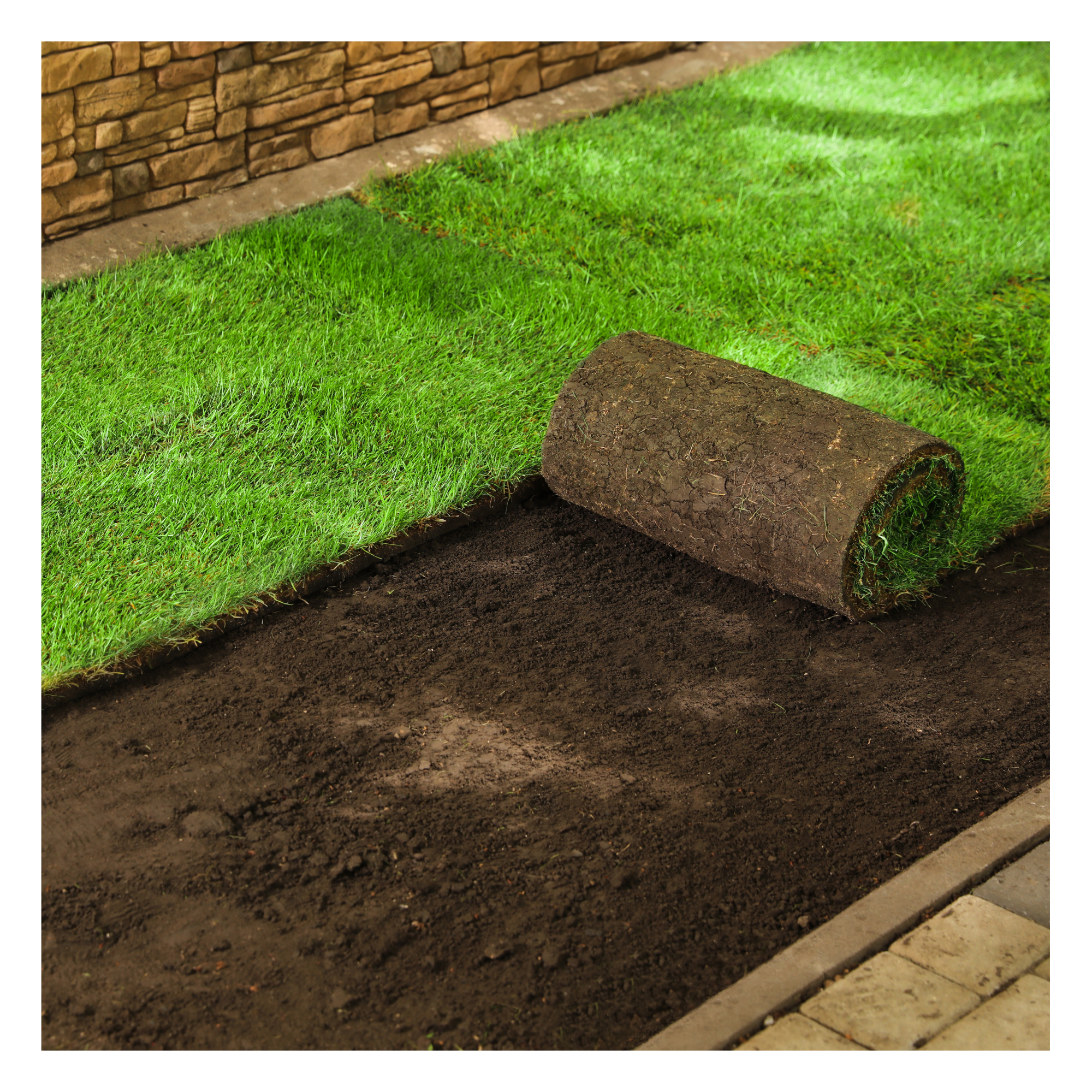
Shop Eco Turf
-
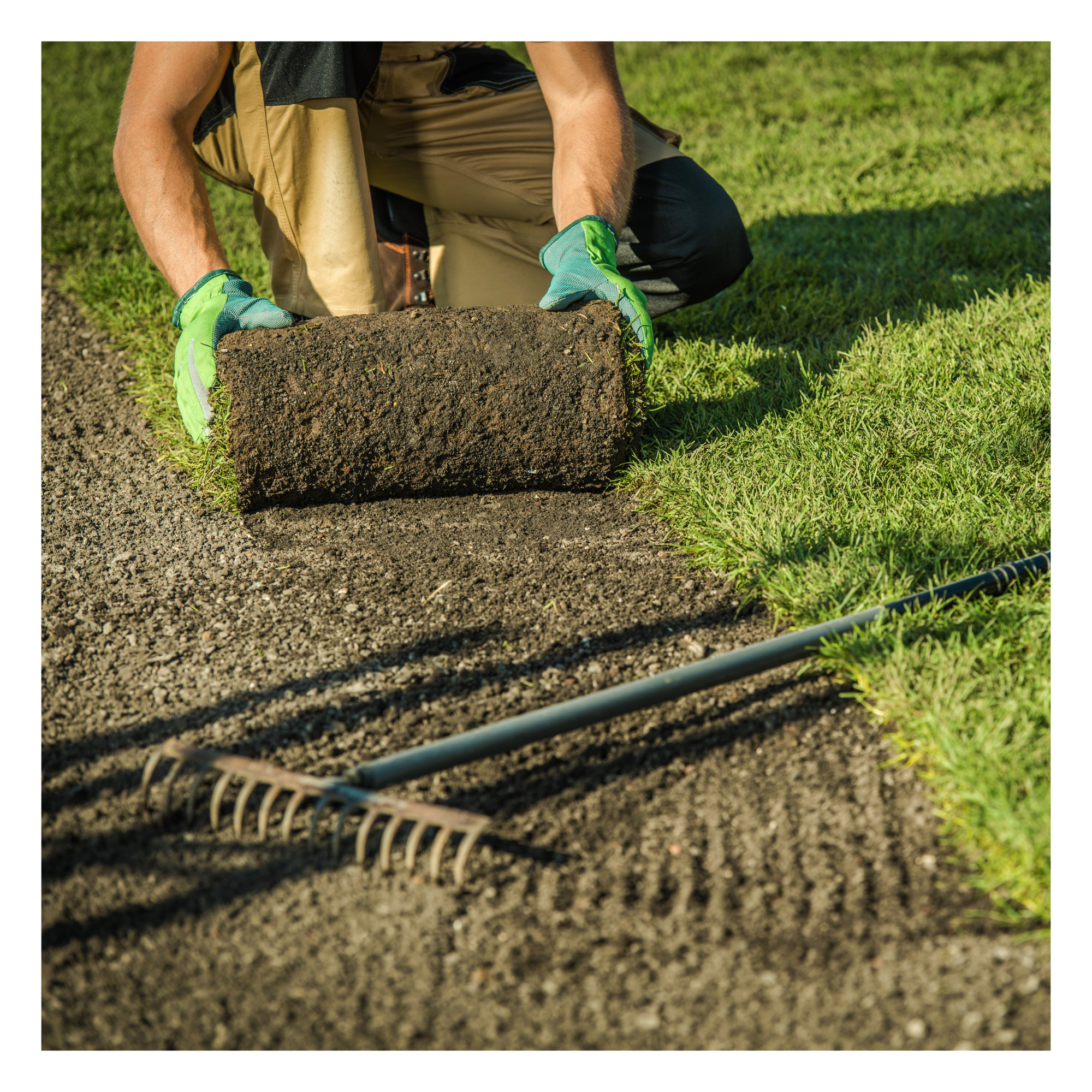
Relevant Ranges
-
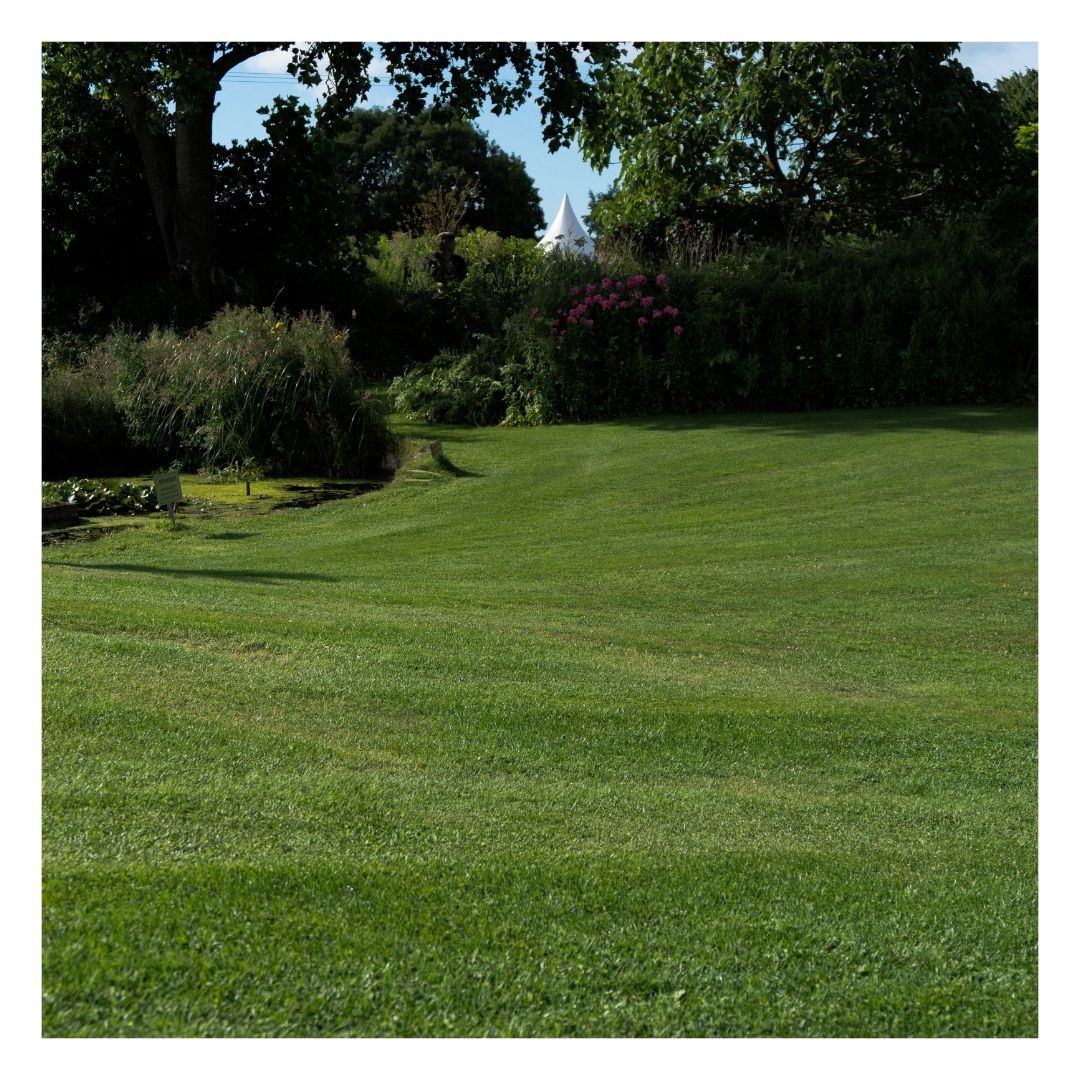
Helpful Information

Mow Sparingly (or Not at All)
Grass grows very slowly in winter, but on mild days you may still see a bit of growth. If you must mow:
- set your mower blades high
- never mow during frost
- avoid taking off more than 25% of the blade length
Aim to keep the grass 5–7cm tall during winter for protection.
Reduce Moss and Prevent Winter Weeds
Shade, moisture and low temperatures encourage moss. If moss is already established, you can treat it with a winter-safe moss killer, then rake it out in early spring.
Cover bare soil to protect it
Bare patches can turn muddy, erode, or invite weeds. To protect them in winter, you can cover the area with an organic compost or garden mulch layer to prevent erosion, compaction, weed growth and nutrient loss.
It also helps to create a healthier bed for spring overseeding.
Avoid Feeding in Winter (With One Exception)
Most lawns should not be fertilised in winter. High-nitrogen feed encourages weak, soft growth that frost will damage.
However, you can use a winter lawn feed (low nitrogen, higher potassium) to strengthen roots and improve disease resistance.
Support Winter Wildlife
Leaving a few slightly longer areas or undisturbed corners helps protect insects and small creatures. Good for wildlife = good for your garden ecosystem.
Plan for Spring
Use winter downtime to prepare for the next growing season:
- Order grass seed or topsoil
- Plan repairs for thin patches
- Book or prepare for spring scarifying or overseeding
- Clean, sharpen and service your mower
A bit of planning now makes the spring lawn rush much easier.
Winter Lawn Care: The Bottom Line
Even though your lawn isn’t growing much in winter, the small things you do (or avoid!) now will play a huge part in how lush, green and resilient it looks in the months ahead.
In winter, think gentle maintenance, good airflow, solid drainage, and minimal disturbance.
Do these right, and your lawn will bounce back beautifully once spring arrives.
Shop Eco Turf
-
Eco Turf: Medallion Premium
Regular price From £238.50 GBPRegular price -
Eco Turf: Hallstone
Regular price From £208.50 GBPRegular price -
 Sold out
Eco Organic Compost: Lawn Dressing
Regular price £140.95 GBPRegular price

Related Articles
-

End of Summer Garden Tidy-Up: 8 Jobs to Do Befo...
Late August and September are the best time to start preparing your garden for autumn — tidying up summer growth, clearing spent plants, and getting ahead of jobs before the...
End of Summer Garden Tidy-Up: 8 Jobs to Do Befo...
Late August and September are the best time to start preparing your garden for autumn — tidying up summer growth, clearing spent plants, and getting ahead of jobs before the...
-

What to Do in the Garden in August
August is the garden's turning point. The main harvest is coming in, the borders are past their peak, and the soil is still warm — which makes it the single...
What to Do in the Garden in August
August is the garden's turning point. The main harvest is coming in, the borders are past their peak, and the soil is still warm — which makes it the single...
-

July Gardening Checklist: What to Plant, Prune,...
UK gardeners should sow fast-maturing vegetables and biennial flowers, deadhead roses and bedding plants weekly, water containers and new plantings deeply, harvest garlic, soft fruit and early potatoes.
July Gardening Checklist: What to Plant, Prune,...
UK gardeners should sow fast-maturing vegetables and biennial flowers, deadhead roses and bedding plants weekly, water containers and new plantings deeply, harvest garlic, soft fruit and early potatoes.
-

How to Protect Your Garden During a Heatwave in...
The British summer has changed. What once meant a few warm days followed by welcome drizzle now increasingly means prolonged dry spells, scorched lawns, and wilting plants.
How to Protect Your Garden During a Heatwave in...
The British summer has changed. What once meant a few warm days followed by welcome drizzle now increasingly means prolonged dry spells, scorched lawns, and wilting plants.


